

Kanchenjunga North Base Camp Trek.

Kanchenjunga Region Trekking
TPHT
1 / 4

Trip Facts

Duration

15 Days

Difficulty

Easy, Moderate

Max Altitude

N/A

Best Season

Spring / Autumn

Group Size

Up to 15 People

Transportation

Airplane and Jeep

Accommodation

Hotels, lodges and teahouses

Meal Plan

Breakfast , lunch , Dinner , Tea & coffeet

About This Journey

Trip Overview

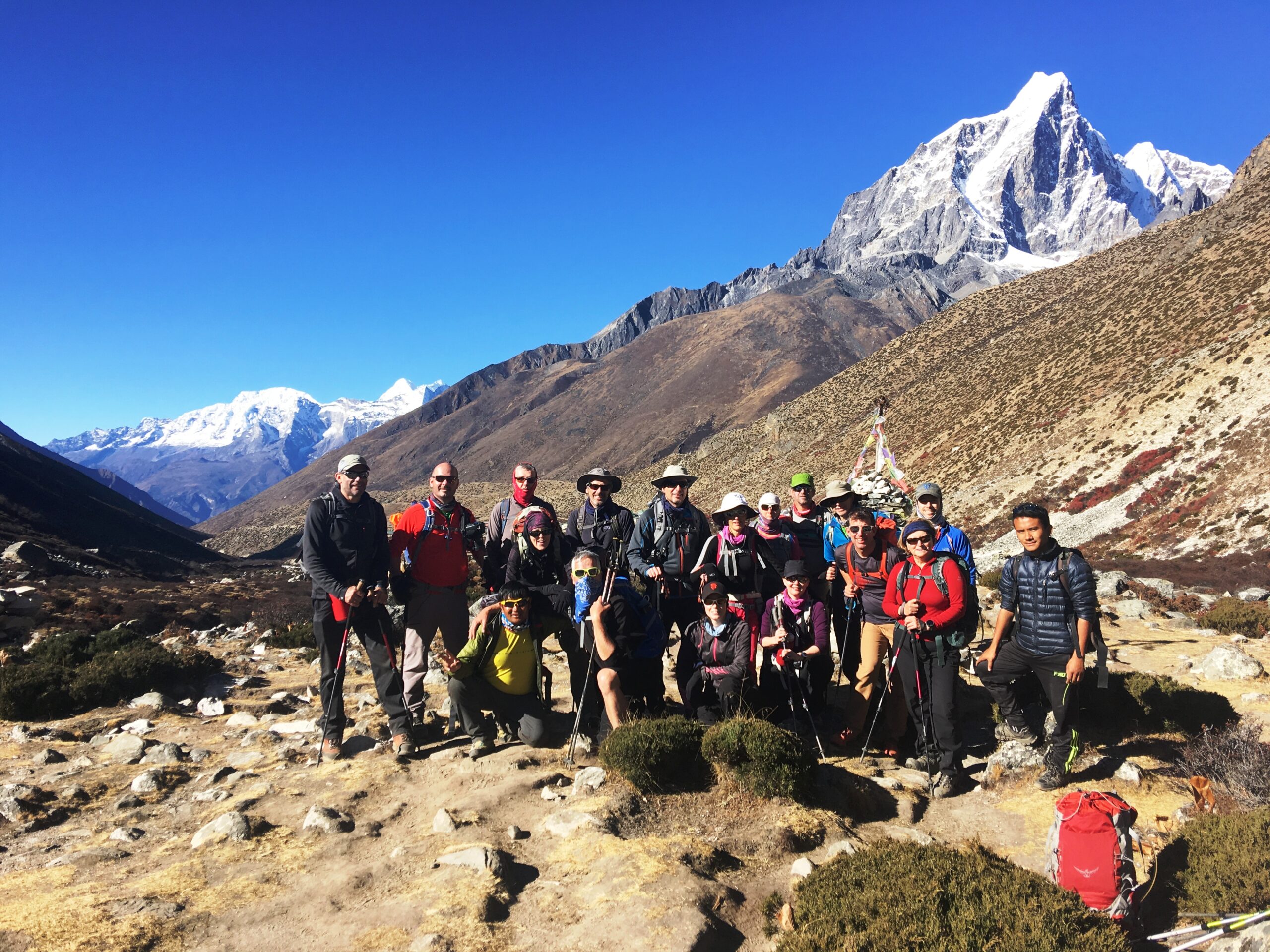
The Kanchenjunga North Base Camp Trek is one of Nepal’s most spectacular off-the-beaten-path Himalayan adventures, leading to Pangpea at 5,143 m beneath the immense north face of Mount Kanchenjunga, the world’s third-highest mountain. The journey begins in the remote hills of eastern Nepal and follows beautiful river valleys, rhododendron forest, alpine meadows, and traditional villages before reaching the dramatic glacial landscape of the upper Kanchenjunga region.

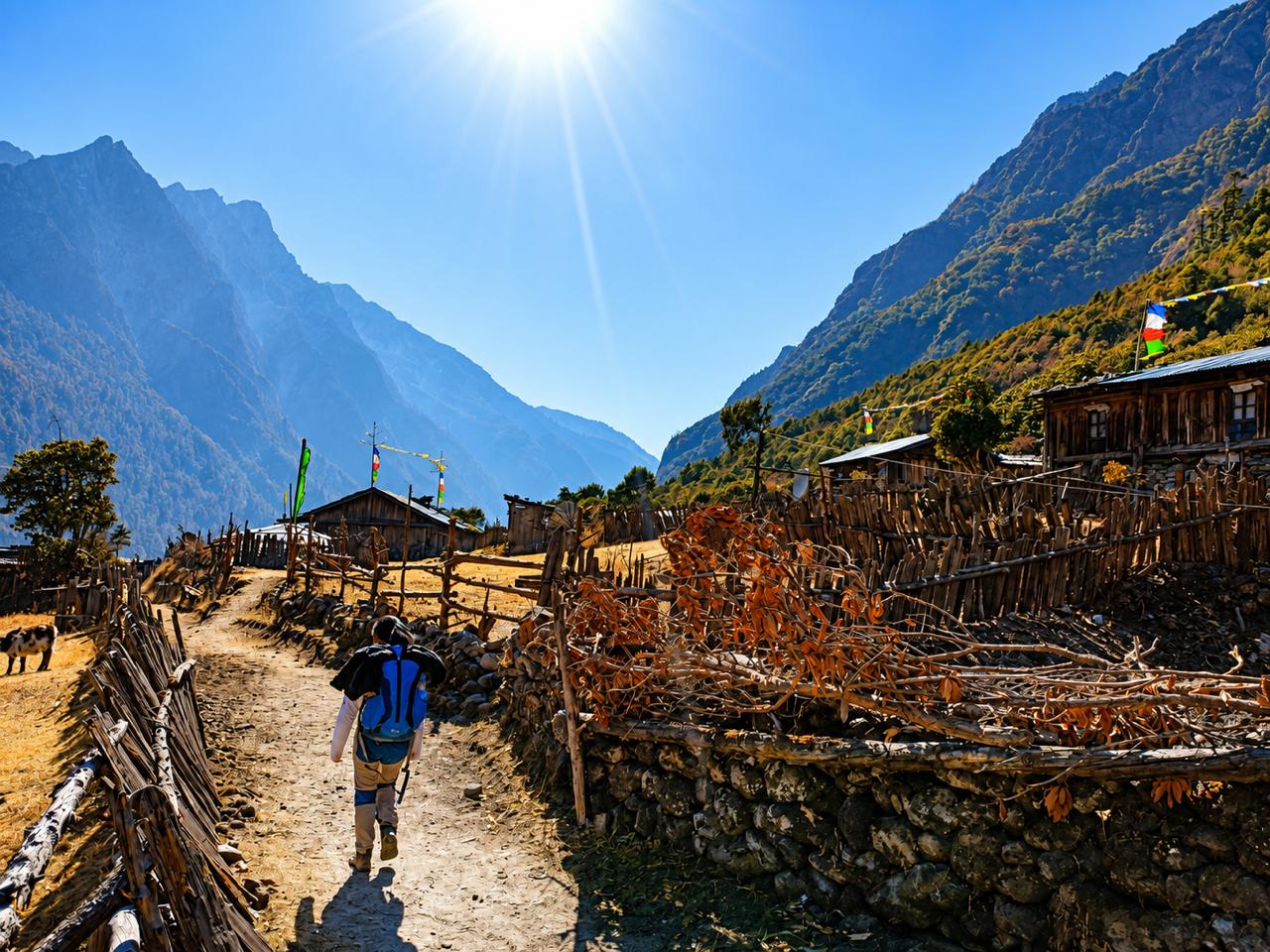
Along the route, trekkers experience the rich Tibetan Buddhist culture of villages such as Ghunsa, where monasteries, prayer flags, stone houses, and warm local hospitality bring a special depth to the mountain journey. Higher on the trail, the landscape becomes increasingly wild and powerful, with glaciers, moraines, towering peaks, and the remarkable mountain scenery around Khambachen and Lhonak.

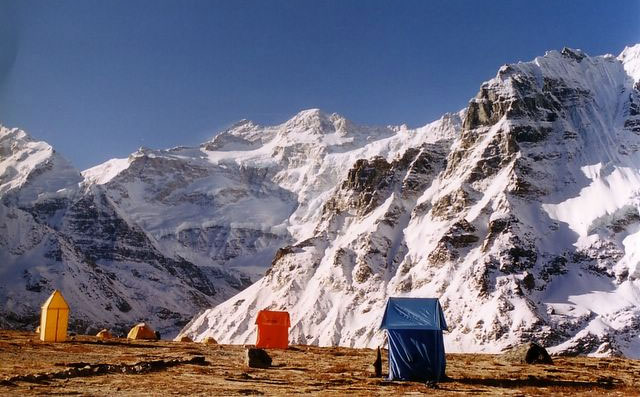
Pangpema, also known as Kanchenjunga North Base Camp, is the unforgettable highlight of the trek. Standing beneath the vast north face of Kanchenjunga, trekkers are rewarded with close-up views of enormous Himalayan walls, icefalls, and some of Nepal’s most untouched high-mountain terrain. Far from the crowds of Everest and Annapurna, this trek offers a quieter, more personal, and deeply authentic Himalayan experience for adventurous travellers seeking culture, wilderness, and extraordinary mountain beauty.

Why This Trek Is Special

Kanchenjunga North Base Camp Trek.

Follow the beautiful Ghunsa Valley into the remote Kanchenjunga Conservation Area.

Reach Pangpema, Kanchenjunga North Base Camp, at 5,143 m.

Stay in traditional tea houses and enjoy warm local hospitality.

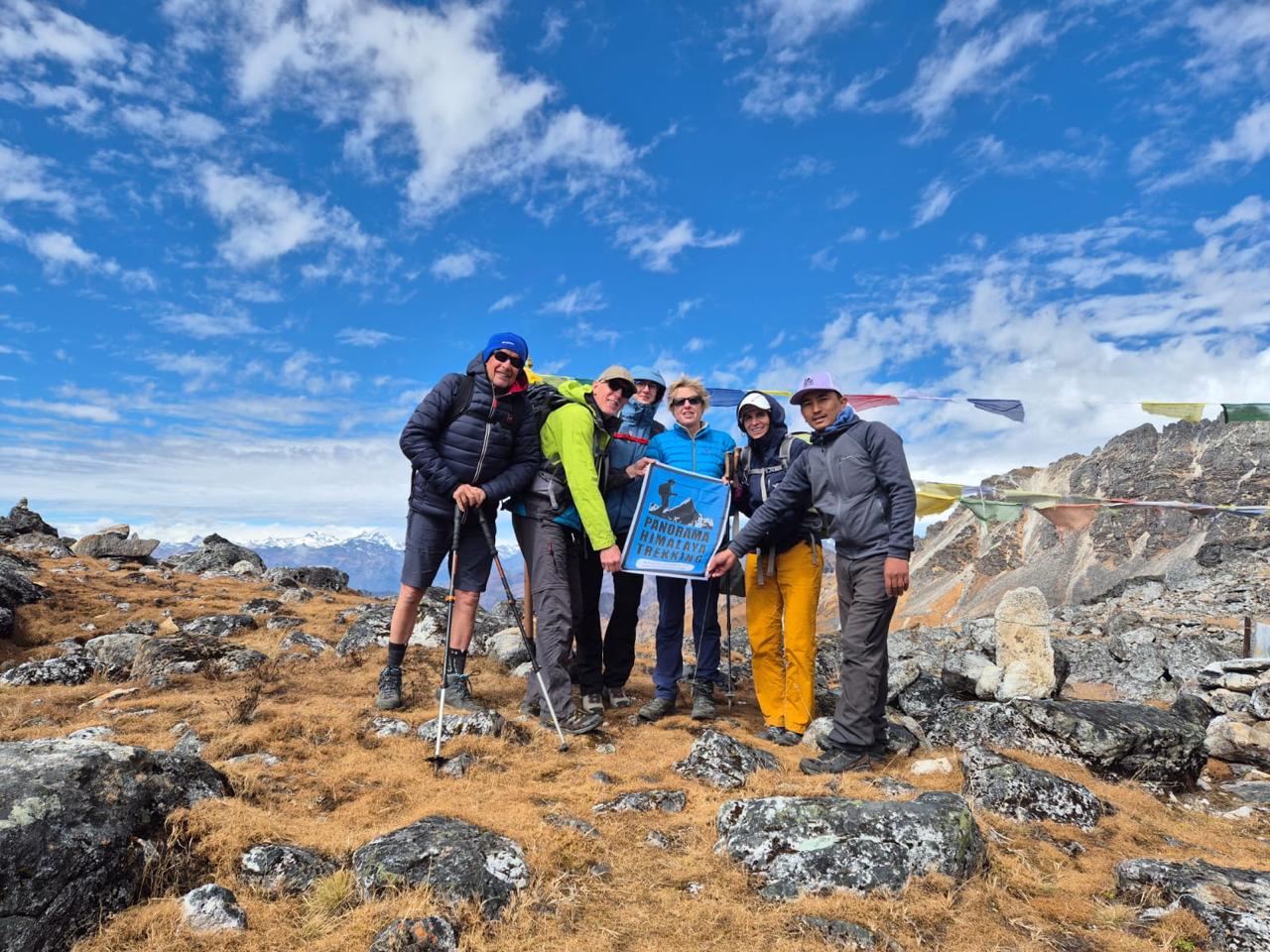
Visit Ghunsa Monastery and discover Tibetan Buddhist customs, prayer flags, and mani walls.

Meet Limbu, Rai, Sherpa, and Tibetan-influenced communities along the trail.

Walk through rhododendron, bamboo, pine forest, and high alpine pasture.

Experience the changing scenery from lush river valleys to glacial Himalayan terrain.

Explore the peaceful villages of Amjilosa, Gyabla, Ghunsa, Khambachen, and Lhonak.

Enjoy acclimatization walks around Ghunsa and discover the surrounding mountain landscape.

Taste simple, freshly prepared Nepalese trekking meals in local tea houses.

Watch for Himalayan wildlife, including blue sheep, musk deer, and colourful mountain birds.

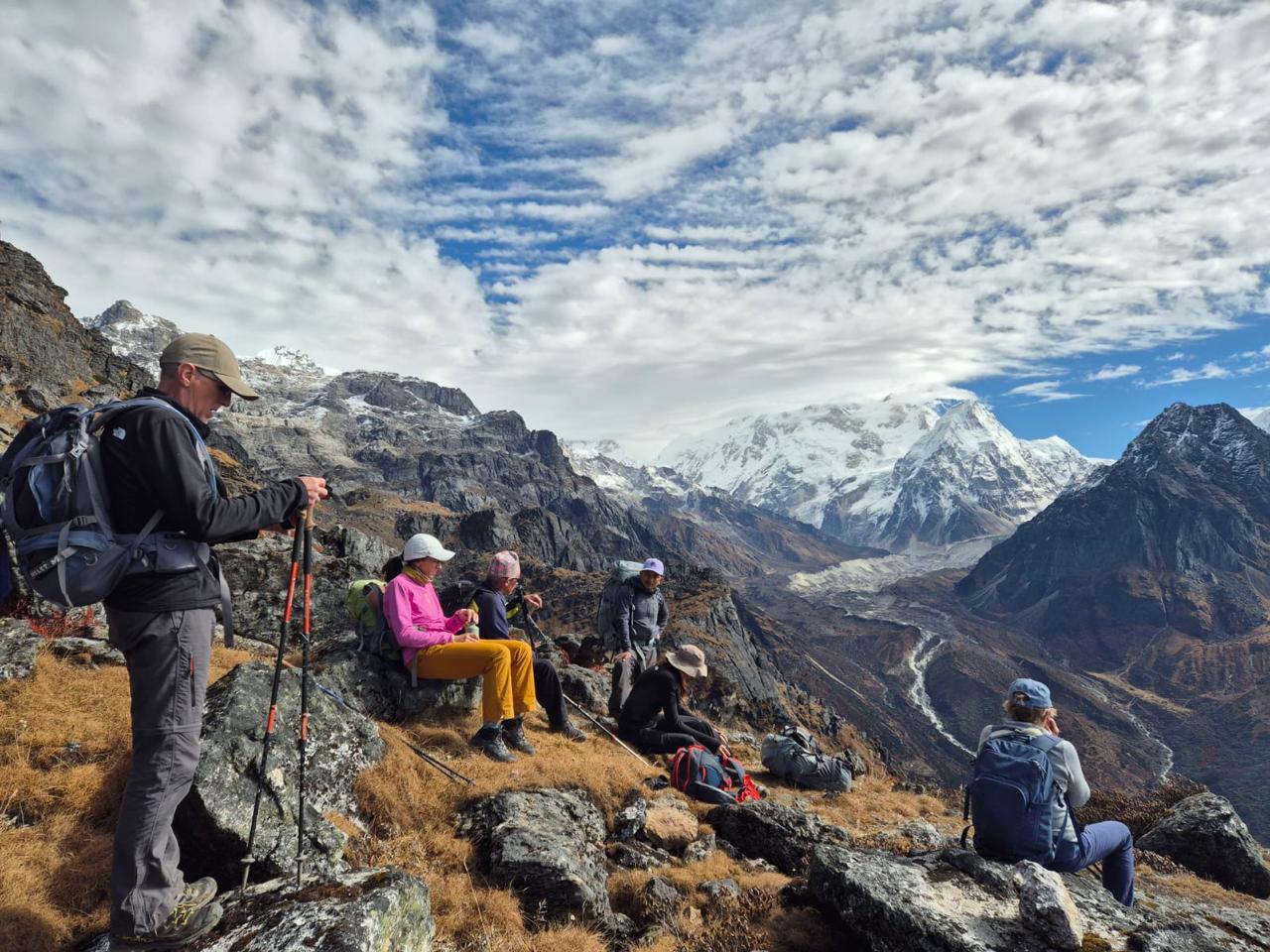
Enjoy remarkable views of Kanchenjunga, Jannu, glaciers, and snow-covered Himalayan peaks.

Day-by-Day Journey

Trek Itinerary

Package Information

Included and excluded

What's Included

Airport transfers by private vehicle, both on arrival and departure.

Hotel in Kathmandu and Pokhara +BB , as per the itinerary.

All meals during the trek: breakfast, lunch, dinner, tea and coffee.

Accommodation during the trek in Tea house / Lodge.

All necessary trekking permits and national park entry fees.

Kanchenjunga Restricted area permit.

Domestic flights (2 flights) as per the itinerary.

Private / Shared Jeep Transportation as per the Itinerary.

Experienced Licensed English- or French-Speaking Trekking Guide.

Porter Service – 1 porter for every 2 trekkers.

Accommodation, meals, insurance for the Nepali trekking staff accompanying the group.

80-liter Duffel bag, provided by the agency for the duration of the trek.

Emergency Search & Rescue Assistance.

Welcome dinner in Kathmandu.

What's Excluded

Nepal visa fees.

Personal travel and medical evacuation insurance — mandatory.

Lunch and dinner in Kathmandu are not included.

Personal expenses, including alcoholic beverages, soft drinks, bottled water etc.

Personal trekking equipment and clothing.

Tips and gratuities for guides, porters, drivers and other support staff.

Any expenses or services not specifically mentioned under “Price Includes.”

Dates

Departure

No departure dates scheduled at this time. Please contact us for custom dates.

Trail Route

Route map and elevation

A clear look at the Kanchenjunga North Base Camp Trek. route, including the main villages, high passes, and altitude changes across the trek.

Route Map

Kanchenjunga North Base Camp Trek.

15 Days

Major Passes

No pass

Elevation Profile

Elevation Journey

Altitude journey

Kanchenjunga North Base Camp Trek. elevation profile

A route-style altitude chart showing the elevation journey and major milestones along the Kanchenjunga North Base Camp Trek..

Scroll horizontally to view full elevation profile Swipe →
1,000m 2,000m 3,000m 4,000m 5,000m 6,000m 1,400m 1,400m 1,920m 2,498m 2,725m 3,415m 3,415m 4,145m 4,795m 5,143m 3,150m 2,450m 1,920m 1,570m 1,400m Day-1 Day-2 Day-3 Day-4 Day-5 Day-6 Day-7 Day-8 Day-9 Day-10 Day-11 Day-12 Day-13 Day-14 Day-15 ALTITUDE Cho La Pass 5,420m

Questions and Answers

Frequently asked questions

This is a 16-day journey from Kathmandu to Kathmandu. It includes flights, road transfers, acclimatization, the complete North and South Base Camp circuit, and the return through Ilam and Bhadrapur.

Yes. The itinerary visits Pangpema, Kanchenjunga North Base Camp, and Oktang, the South Base Camp viewpoint in the Yalung Valley.

The Kanchenjunga Circuit Trek is a moderate, non-technical Himalayan trek. In our experience, it is more gradual and easier to walk than the Manaslu Circuit Trek, making it suitable for trekkers with good basic fitness and a sense of adventure.

Pangpema, also known as Kanchenjunga North Base Camp, is approximately 5,143 m / 16,873 ft. The trek also crosses the high Sele La section while travelling from the north to the south side.

Pangpema offers impressive views of the north face of Kanchenjunga, glaciers, and surrounding Himalayan peaks. It is one of the major highlights of the trek and is visited as a day excursion from Lhonak.

Oktang offers a completely different perspective of the Kanchenjunga massif, with views across the Yalung Glacier toward the mountain’s southern face. The contrast between the North and South Base Camp landscapes makes this complete circuit especially rewarding.

Accommodation is mainly in simple local tea houses and lodges. Rooms and food are basic in the higher villages, but they are comfortable and authentic for a remote Himalayan trek.

Tea houses provide fresh, simple trekking meals including dal bhat, noodles, rice, potatoes, eggs, soup, bread, and seasonal vegetables. Food choices are more limited at higher elevations, so flexibility is appreciated.

Yes, when undertaken with an experienced guide, proper acclimatization, and sensible preparation. The route is remote, so the group follows a carefully planned itinerary, monitors weather conditions, and adjusts the pace when necessary.

Our itinerary includes an acclimatization day in Ghunsa and a gradual approach to higher elevations. Guides monitor each trekker’s health and oxygen level, and anyone with concerning altitude symptoms must rest, descend, or follow the guide’s safety decision.

The guide will assess the situation and arrange the most suitable response, including descent, local assistance, or helicopter evacuation when necessary. Weather, location, and communication conditions can affect helicopter availability.

Yes. Comprehensive travel insurance is compulsory and must cover trekking up to at least 5,200 m, medical treatment, emergency helicopter evacuation, and trip interruption. Check your policy carefully before travelling, as some policies exclude high-altitude trekking or wilderness rescue.

Charging is available in many tea houses and villages, usually for a small additional charge. Electricity can be limited in higher and more remote areas, so bringing a power bank and spare camera battery is strongly recommended.

Bring a headlamp, power bank, reusable water bottle, personal first-aid items, sunscreen, sunglasses, warm layers, waterproof clothing, and a whistle. Trekking poles are also recommended for comfort and stability on uneven terrain.

Mineral-water bottles are available for purchase in many villages along the route. However, we recommend bringing a good-quality filtered water bottle, as it is the most practical, economical, and environmentally responsible option for this trek. A reliable trekking filter bottle allows you to refill from taps, streams, or rivers and filter the water as you drink.

Related Treks

Handpicked adventures in the heart of the Himalayas

Lumba Sumba Pass Camping Trek

Lumba Sumba Pass Camping Trek

22 Days Challenging

From USD 3,480

View Details