
Lumba Sumba Pass Camping Trek

Kanchenjunga Region Trekking
TPHT
1 / 4

Trip Facts

Duration

22 Days

Difficulty

Challenging

Max Altitude

5,159 m

Best Season

Spring / Autumn

Group Size

Up to 15 People

Transportation

Airplane and Jeep

Accommodation

Camping Trek / Tent

Meal Plan

Breakfast , lunch , Dinner , Tea & coffeet

About This Journey

Trip Overview

Lumbha Sambha Pass Trek with Kanchenjunga North Base Camp

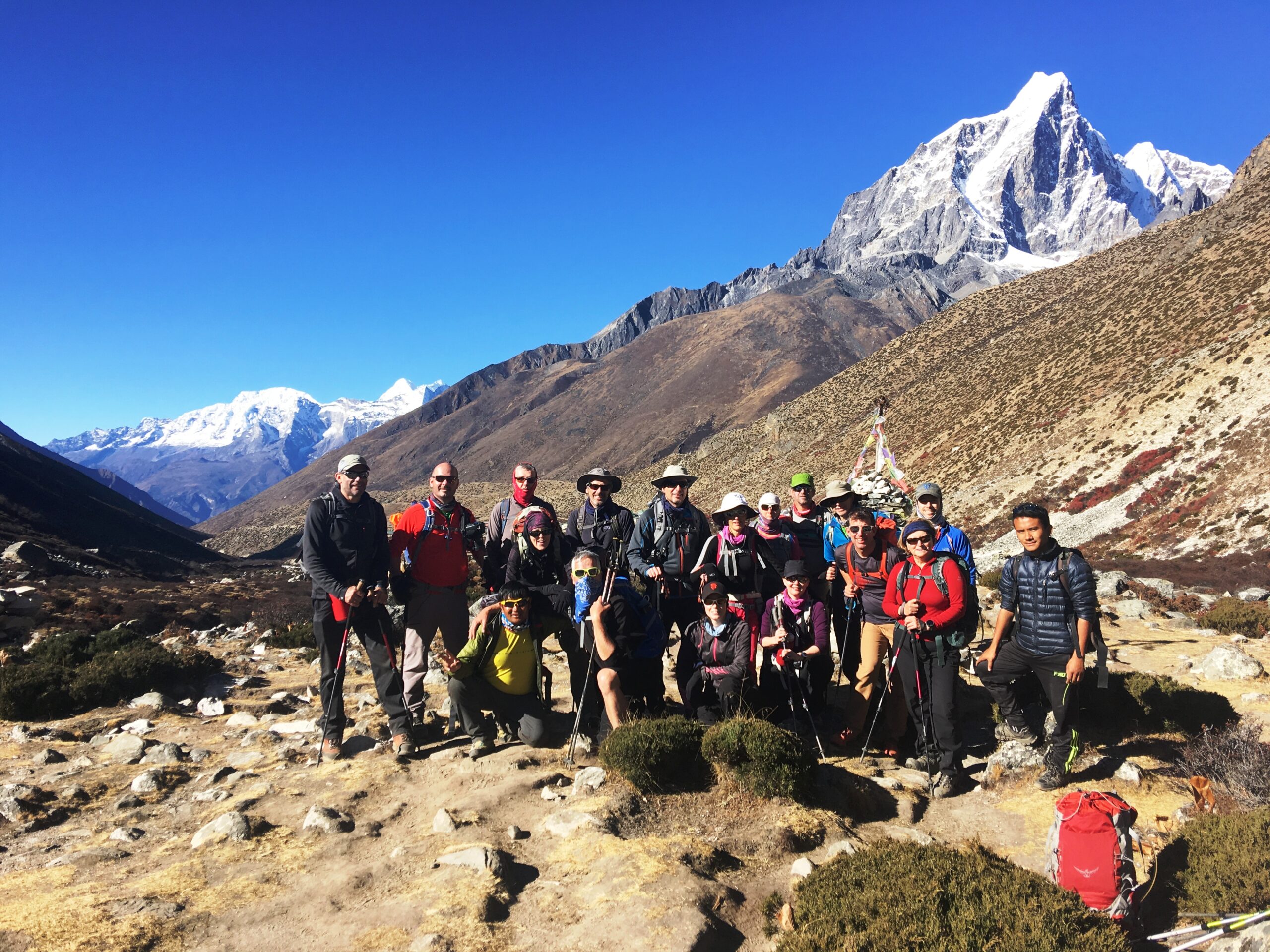
The Camping Trek is one of Nepal’s finest remote camping expeditions, connecting the legendary Kanchenjunga region with the wild valleys of Makalu Barun. Far from the busy trekking routes, this demanding Himalayan journey combines high mountain passes, ancient Tibetan Buddhist culture, glacial wilderness, and a remarkable variety of landscapes in one unforgettable adventure.

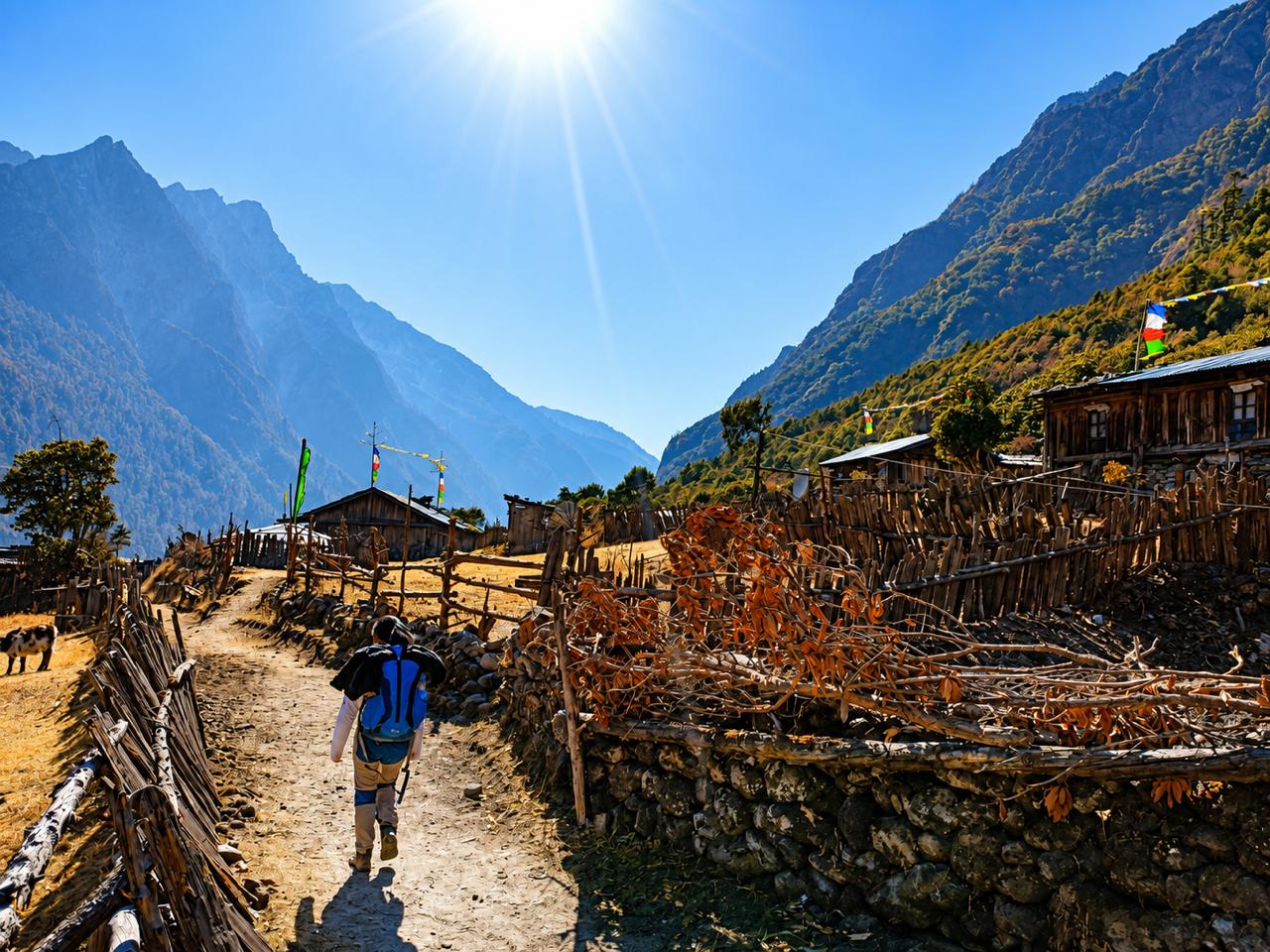
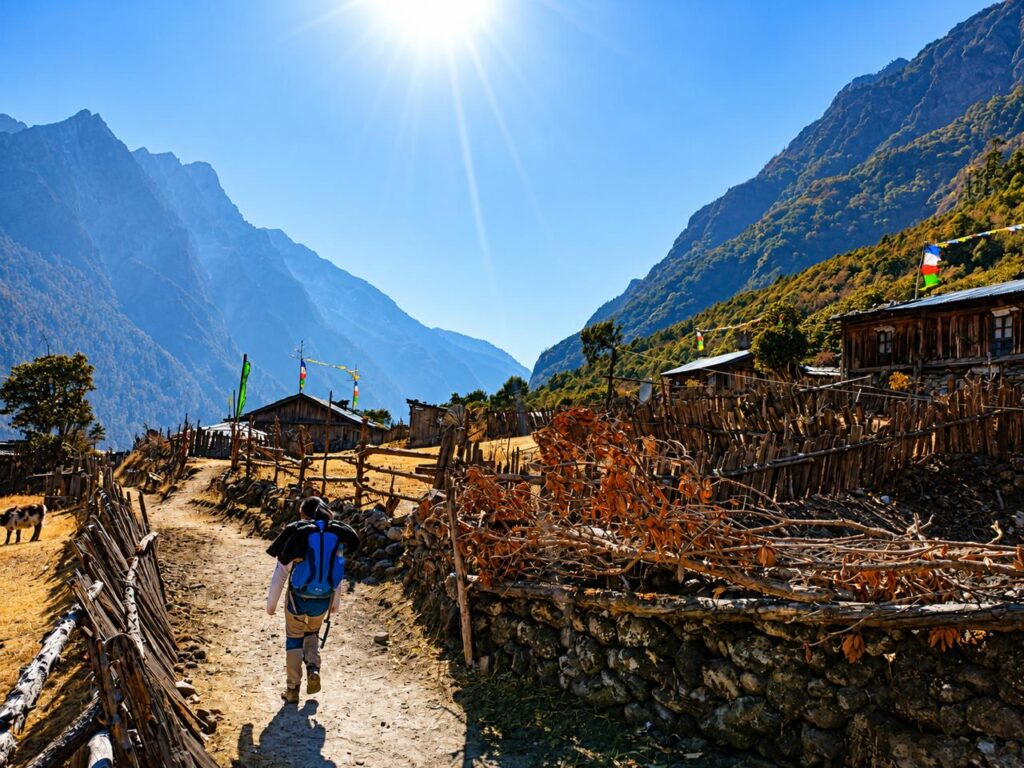
Beginning in eastern Nepal, the trail passes through lush forests, river valleys, cultivated hillsides, alpine pastureland, and dramatic glacial terrain. Trekkers spend time in atmospheric villages such as Ghunsa and Olangchun Gola, where Tibetan-influenced culture, monasteries, prayer flags, and traditional mountain life create a deeply meaningful cultural experience. An acclimatization day in Ghunsa allows time to explore the village, visit its monastery, and prepare safely for the higher sections of the route.

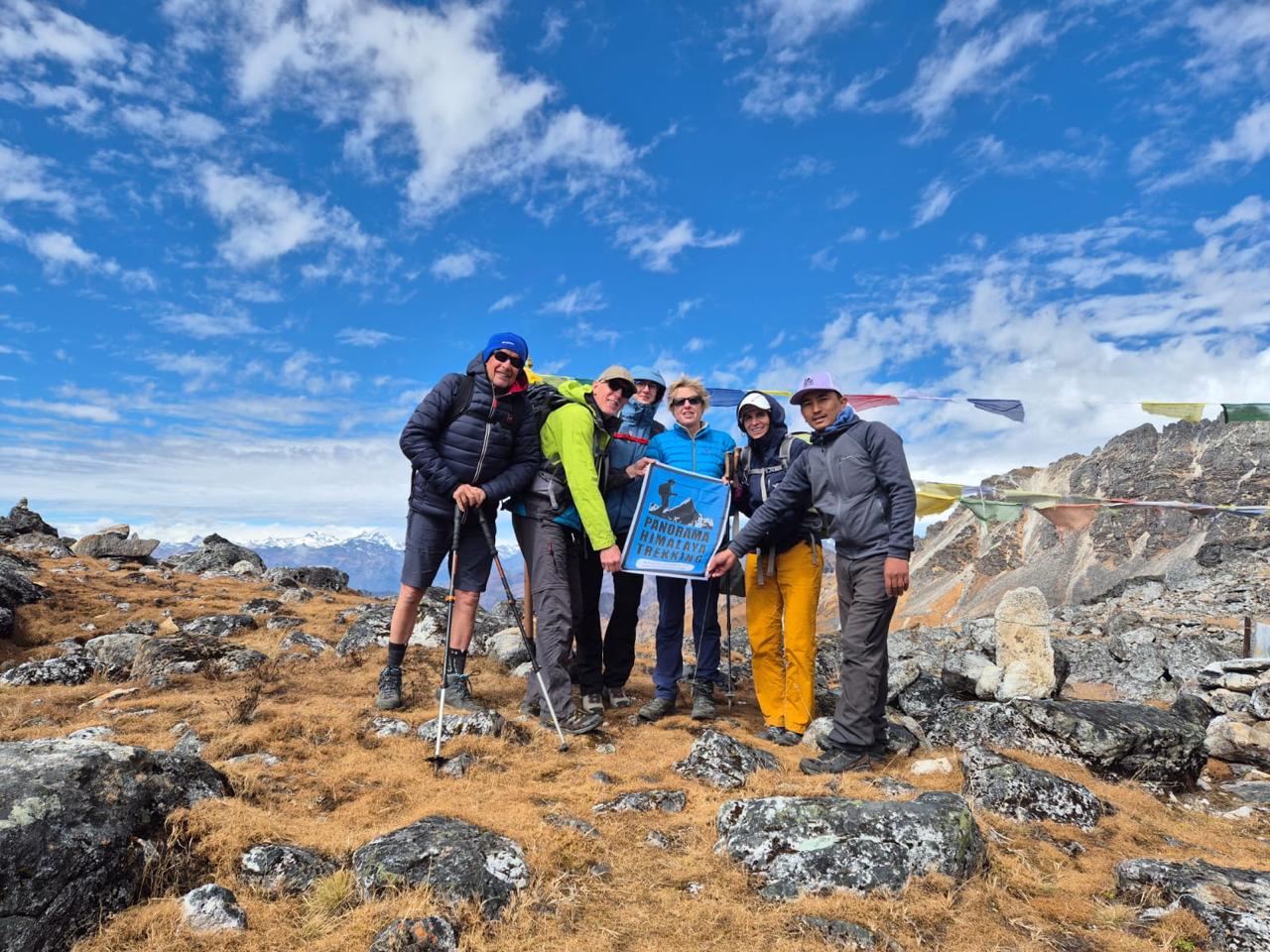
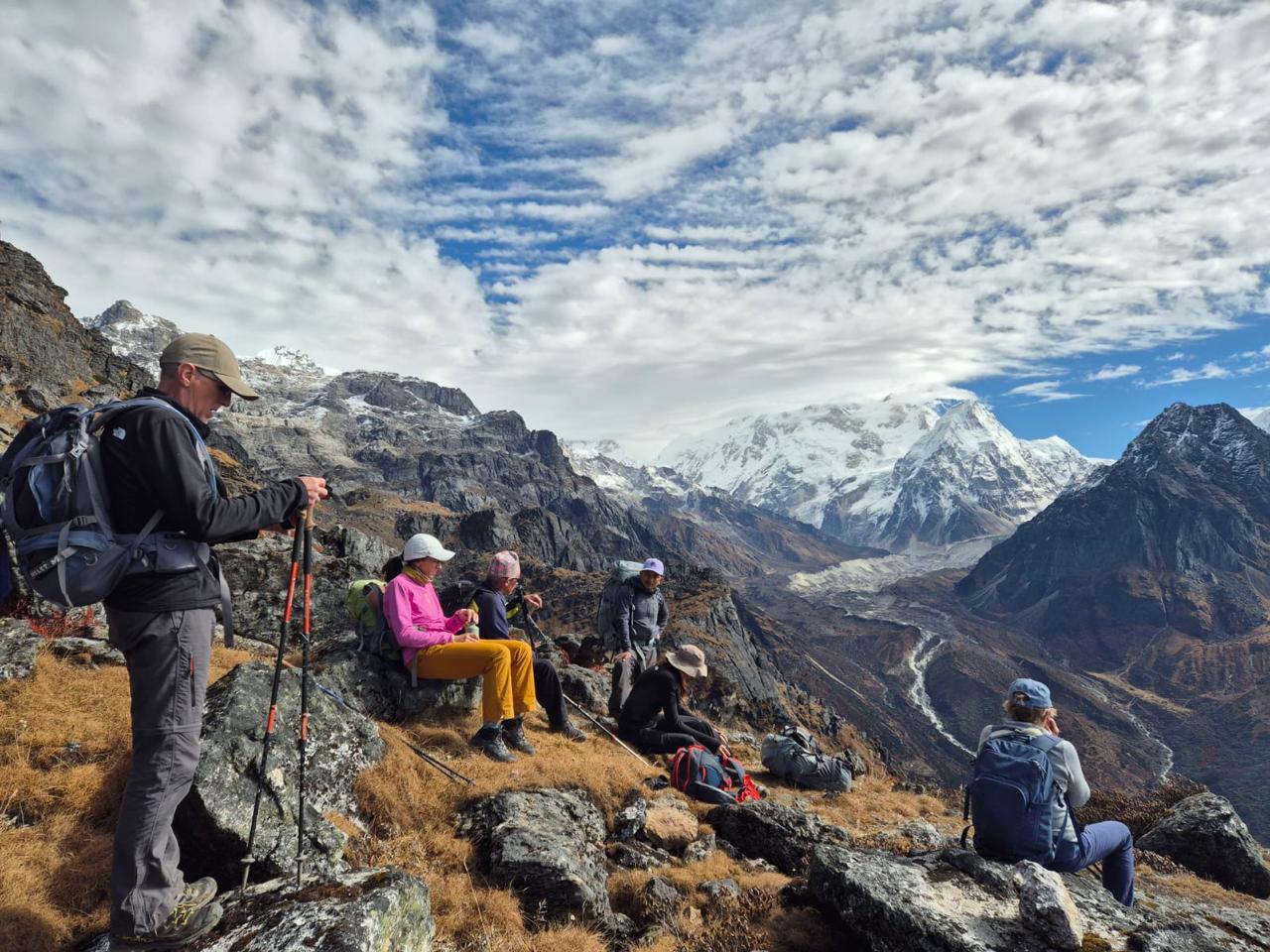
The trek then enters an isolated high-altitude world of moraine trails, wide valleys, rugged ridgelines, and snow-covered peaks. It crosses Nango La Pass (4,776 m) before reaching the little-visited borderland village of Olangchun Gola. The ultimate highlight is the crossing of Lumba Sumba Pass (5,159 m), a challenging yet spectacular route between the Kanchenjunga and Makalu Barun regions. From the pass, trekkers are rewarded with vast Himalayan views and a powerful sense of genuine wilderness.

This is a fully supported camping trek, ideal for adventurous and physically fit trekkers who want to travel beyond Nepal’s established tea-house trails. Tents, meals, guides, porters, and trekking logistics are arranged throughout the remote sections, allowing you to experience places where accommodation is limited or unavailable. The Lumbha Sambha Trek is not simply a trek between two regions—it is a complete Himalayan expedition, combining culture, altitude, solitude, and some of Nepal’s most untouched mountain scenery.

Why This Trek Is Special

Kanchenjunga North base Camp , Nango la Pass , Lumba Sumba Pass

Cross Nango La Pass at 4,800 m and Lumbha Sambha Pass at 5,159 m.

Explore the remote Kanchenjunga Conservation Area.

Experience the wild landscapes of Makalu Barun National Park.

Visit Kanchenjunga North Base Camp at Pangpema.

Discover Tibetan-influenced villages, monasteries, and mountain culture.

Enjoy a true expedition-style camping trek in remote Himalayan wilderness.

Trek through glacial valleys, alpine meadows, rhododendron forests, and subtropical foothills.

Follow one of Nepal’s least-travelled and most rewarding trekking routes.

Experience dramatic views of high Himalayan peaks, ridges, and glaciers.

Meet welcoming Sherpa and Tibetan Buddhist communities.

Travel from the high Kanchenjunga region to the Arun Valley.

Complete an exceptional 24-day Kanchenjunga to Makalu Barun traverse.

Day-by-Day Journey

Trek Itinerary

Package Information

Included and excluded

What's Included

Airport transfers by private vehicle, both on arrival and departure.

Hotel in Kathmandu and Pokhara +BB , as per the itinerary.

All meals during the trek: breakfast, lunch, dinner, tea and coffee.

Accommodation during the trek in Tent ( 2 members)

All Camping related high foods and snacks.

Toilet Tent , Kitchen tent, Dining Tent.

Satellite Phones / Walkie - talkie - First aid kit

Camping Cook specialized in western and Asian Style food.

Camping Porters / Staff as necessary for the trek.

Gamow bag ( portabe altitude pressured chamber for Safety )

All necessary trekking permits and national park entry fees.

Kanchenjunga Restricted area permit.

Makalu Retracted area permit.

Domestic flights (2 flights) as per the itinerary.

Private / Shared Jeep Transportation as per the Itinerary.

Experienced Licensed English- or French-Speaking Trekking Guide.

Porter Service – 1 porter for every 2 trekkers.

Accommodation, meals, insurance for the Nepali trekking staff accompanying the group.

80-liter Duffel bag, provided by the agency for the duration of the trek.

Emergency Search & Rescue Assistance.

Welcome dinner in Kathmandu.

What's Excluded

Nepal visa fees.

Personal travel and medical evacuation insurance — mandatory.

Lunch and dinner in Kathmandu are not included.

Personal expenses, including alcoholic beverages, soft drinks, bottled water etc.

Personal trekking equipment and clothing.

Tips and gratuities for guides, porters, drivers and other support staff.

Any expenses or services not specifically mentioned under “Price Includes.”

Dates

Departure

No departure dates scheduled at this time. Please contact us for custom dates.

Trail Route

Route map and elevation

A clear look at the Lumba Sumba Pass Camping Trek route, including the main villages, high passes, and altitude changes across the trek.

Route Map

Lumba Sumba Pass Camping Trek

22 Days

Major Passes

Nango la Pass 4800 / Lumba Sumba pass 5159m

Elevation Profile

Elevation Journey

Altitude journey

Lumba Sumba Pass Camping Trek elevation profile

A route-style altitude chart showing the elevation journey and major milestones along the Lumba Sumba Pass Camping Trek.

Scroll horizontally to view full elevation profile Swipe →
0m 1,000m 2,000m 3,000m 4,000m 5,000m 1,400m 1,400m 1,920m 2,498m 2,725m 3,415m 3,415m 4,145m 4,792m 5,143m 4,145m 3,200m 4,300m 4,800m 3,210m 3,893m 4,750m 5,159m 4,595m 2,877m 2,877m 2,230m 519m 1,400m 1,400m Day-1 Day-3 Day-5 Day-7 Day-9 Day-10 Day-12 Day-13 Day-15 Day-16 Day-18 Day-20 Day-22 ALTITUDE Cho La Pass 5,420m

Questions and Answers

Frequently asked questions

This is a strenuous, remote, high-altitude trek designed for experienced trekkers with strong fitness, good stamina, and previous trekking experience. You should be comfortable walking for 6–10 hours on demanding mountain terrain.

This is primarily a fully supported camping trek. In remote sections, especially around Nango La and Lumbha Sambha Pass, there are no lodges, so the team carries tents, food, kitchen equipment, and camping supplies.

Lumbha Sambha Pass is the highest point at 5,159 m. Nango La Pass, at approximately 4,800 m, is another major high-altitude crossing.

Most trekking days involve 5–7 hours of walking. The Nango La and Lumbha Sambha pass-crossing days are longer and can take approximately 8–10 hours.

Yes, previous experience above 3,000 m is strongly recommended. Good preparation is essential because this itinerary crosses two high passes and includes several nights at high altitude.

The itinerary includes an acclimatization day in Ghunsa and carefully planned ascent days. Guides monitor trekkers for altitude-sickness symptoms, and the group must follow the guide’s safety advice at all times.

A Gamow bag can be carried as part of the expedition safety equipment. It is a portable altitude-pressure chamber used in emergencies for severe altitude sickness, alongside first-aid supplies and emergency communication equipment.

The best seasons are spring, from March to May, and autumn, from September to November. These periods generally provide more stable weather, clearer mountain views, and safer pass conditions.

The team carries a first-aid kit and communication equipment for remote areas. In a serious emergency, helicopter evacuation may be arranged, subject to weather, location, and the client’s travel-insurance coverage.

Comprehensive travel insurance with emergency helicopter evacuation above 5,200 m is essential. Check that trekking, remote-area rescue, and medical treatment are all included in your policy.

Bring a warm sleeping bag, down jacket, waterproof clothing, sturdy trekking boots, gloves, thermal layers, sunglasses, sunscreen, trekking poles, and a personal first-aid kit. A detailed packing list should be provided before departure.

The minimum group size for the Lumbha Sambha Pass Trek is 2 trekkers. As this is a remote camping expedition, essential camping equipment, guide, kitchen crew, and support staff are mandatory, which makes the trek expensive for a solo traveller. However, it is possible to operate the trek for one person if the traveller agrees to pay the equivalent cost of a 2-person private trek.

Related Treks

Handpicked adventures in the heart of the Himalayas