


Trekking through Langtang Valley, visiting Gosaikunda Lake, and traversing the Laurebina Pass to the Helambu Region
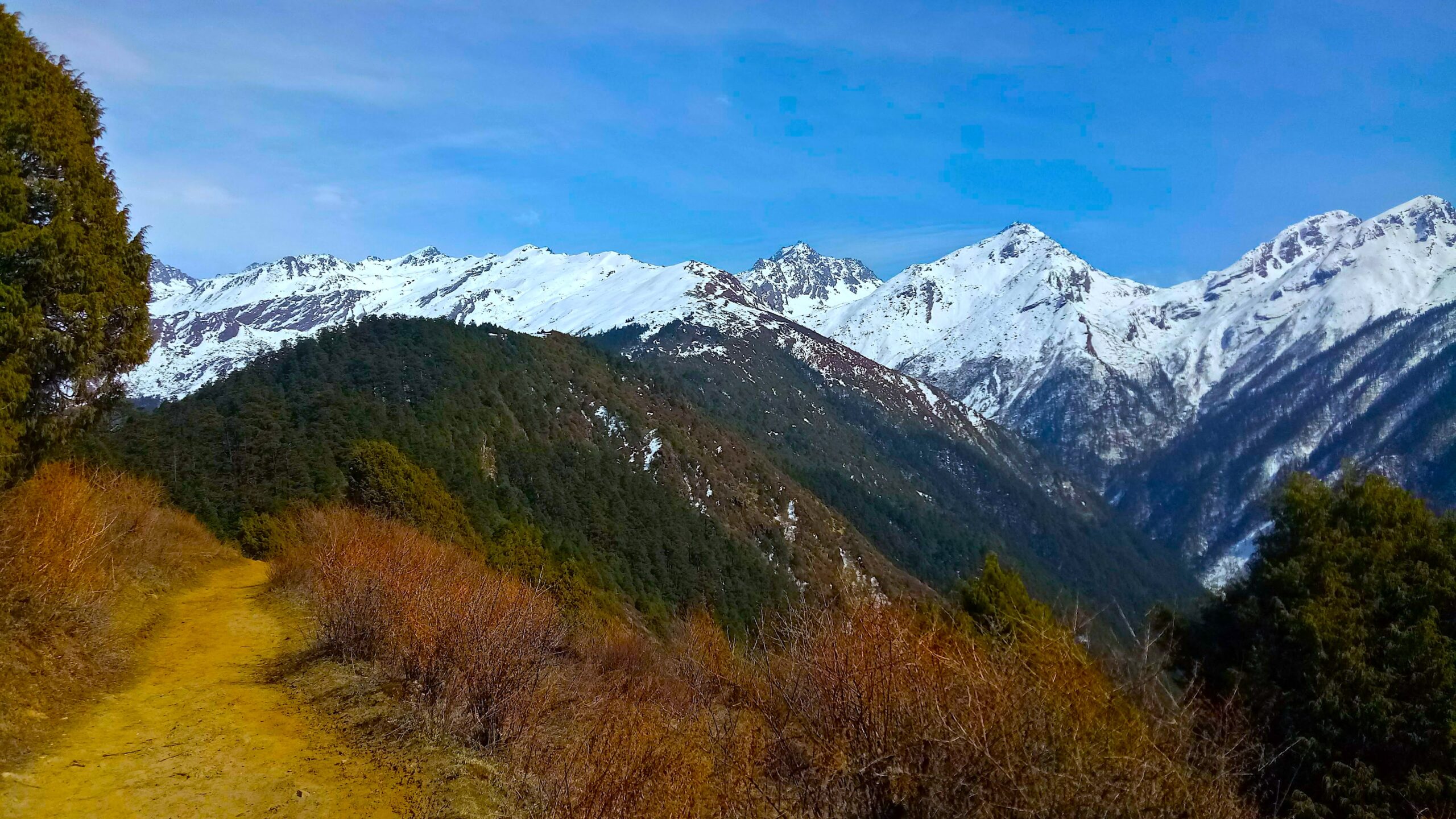
The Langtang Valley and Laurebina Pass Trek stands out as one of Nepal’s most spectacular and diverse tea house circuits, seamlessly blending deep river canyons, dramatic glaciers, and sacred alpine lakes with the thrill of crossing a 4,610-meter mountain pass. Because the route closely borders Tibet, it offers a rare look at pristine, rapidly changing landscapes alongside ancient mountain heritage. The journey begins by tracing the fast-flowing Langtang Khola river through lush bamboo and oak forests before breaking past the tree line into stark, dramatic alpine heights. This route transitions beautifully from a glacier-carved valley up into a rugged landscape of sacred waters and scenic ridges, making it a complete Himalayan experience that connects multiple distinct trekking regions into one unforgettable journey.
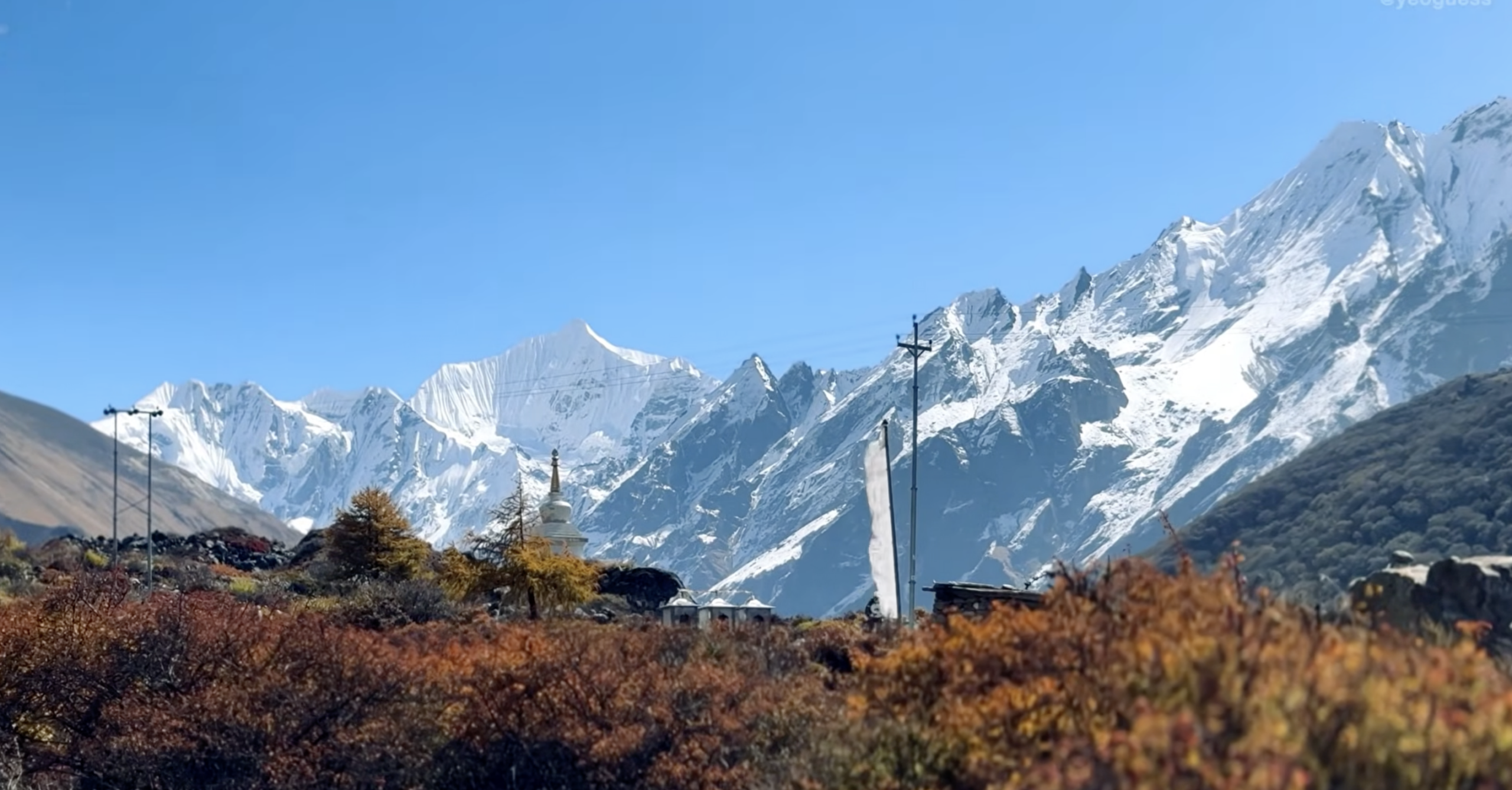
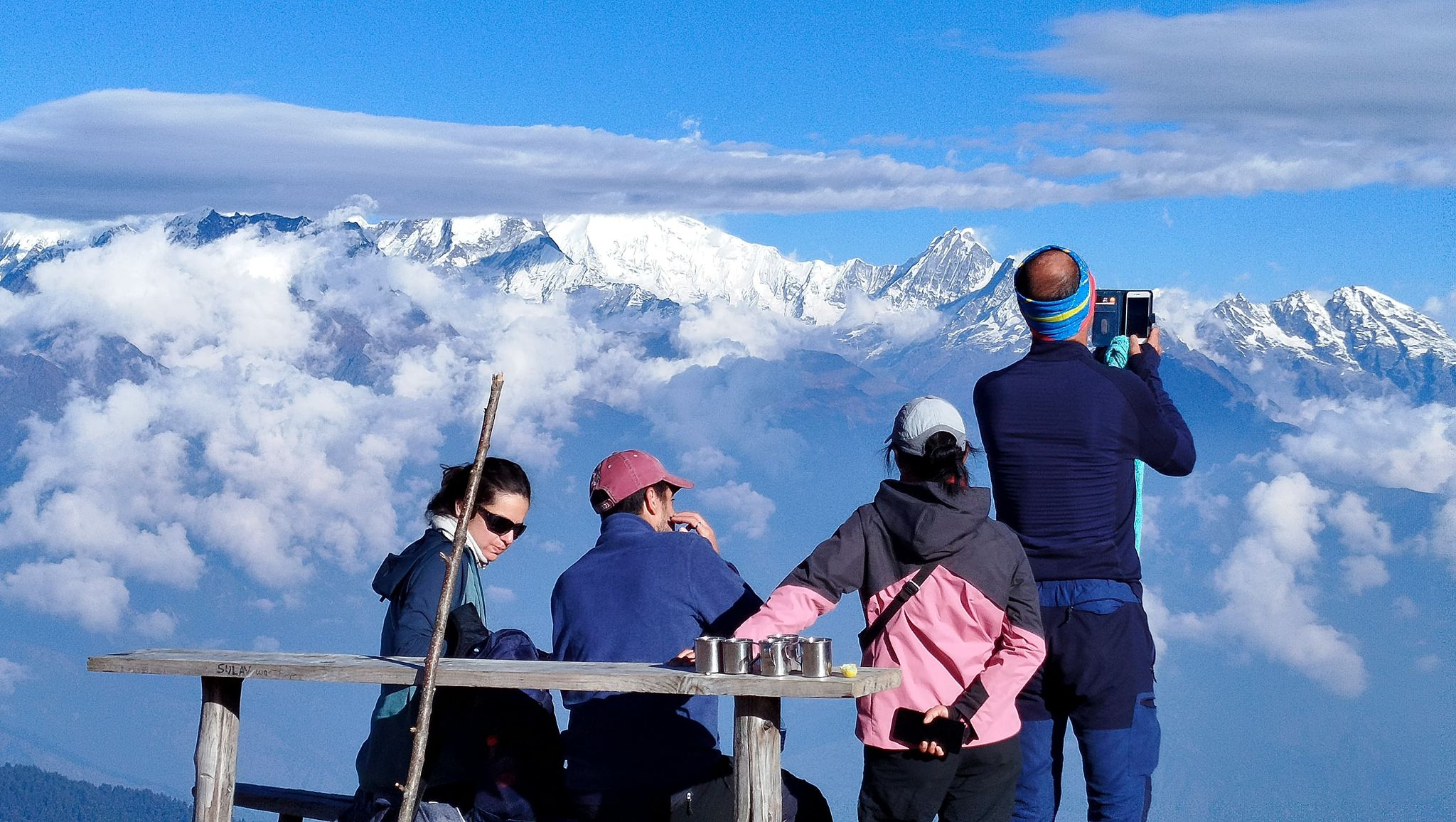
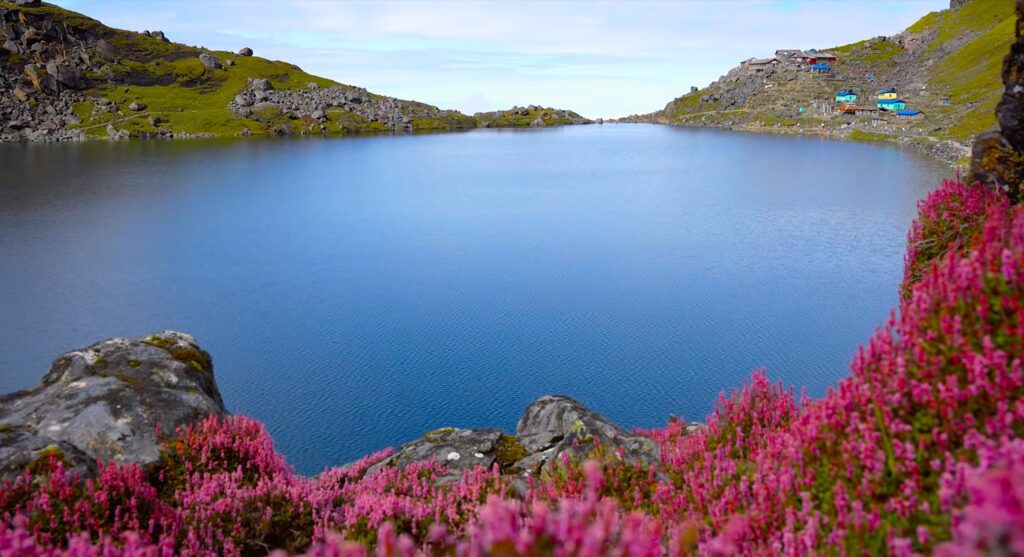
The visual landscape shifts dynamically, offering unparalleled mountain views that change completely from one valley to the next. While walking through the upper Langtang Valley, the massive south face of Langtang Lirung (7,227m) dominates the skyline, transforming the valley walls into a natural amphitheater of hanging glaciers and sheer rock faces. Trekkers who take an optional rest day at Kyanjin Gompa can climb to the top of Tserko Ri Peak (4,984m), rewarding themselves with a stunning, 360-degree Himalayan panorama that features Yala Peak, Changbu, and a sea of unnamed Tibetan peaks stretching out into the horizon. Moving toward the pass, the stretch of trail leading up to and crossing the Laurebina Pass (4,610m) offers one of the widest panoramic horizons in Nepal. On a clear morning, the sky showcases a massive sweep of the Central and Western Himalayas, including the Annapurna range, Manaslu (8,163m), the Ganesh Himal massif, and the rugged peaks of Jugal Himal, all before dropping down to the deep, mirror-like turquoise waters of the sacred Gosaikunda Lake.
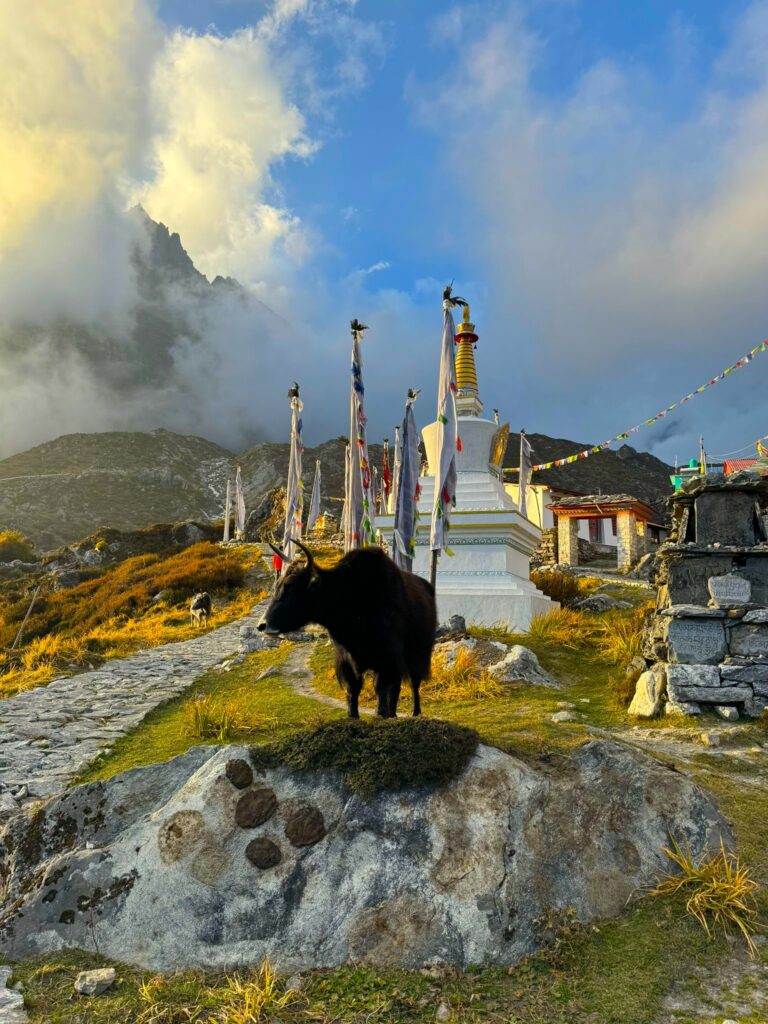
The rich cultural tapestry of this trek is shaped heavily by its proximity to Tibet, creating an immersive living sanctuary of mountain traditions. The lower and middle sections of the trek are home to the Tamang people, whose ancestors migrated from Tibet centuries ago, while the higher elevations are inhabited by Sherpa communities. Both groups maintain a deeply spiritual connection to the land, which is beautifully reflected in their distinct stone architecture, traditional dress, and daily way of life. Every village along the trail is bound by spiritual geography, inviting you to walk past extensive mani walls made of stone tablets carved with Buddhist mantras, vibrant chortens, and rows of fluttering prayer flags that send blessings across the valleys. The spiritual heart of the Langtang Valley is Kyanjin Gompa, an ancient monastery where the serene chanting of monks and the ringing of yak bells echo against giant ice walls. Higher up, the alpine lakes of Gosaikunda hold immense religious significance; for Hindus, this area is the sacred realm of Lord Shiva, while for Buddhists, it is a place of deep meditation, drawing thousands of pilgrims and shamans every August during the Janai Purnima festival.
This trekking route is tailor-made for active travelers, backpackers, and adventurous souls who want a comprehensive, raw Himalayan experience without the heavy crowds of the Everest or Annapurna regions. Because the itinerary transitions from a standard valley walk into a challenging high-altitude mountain pass, it requires good physical endurance, a steady pair of legs, and an appreciation for slow travel. It is highly suitable for solo travelers, couples, and small groups who love the warmth and comfort of local teahouse trekking, trying fresh mountain delicacies like locally made yak cheese, and sharing daily interactions with indigenous communities. While the lower Langtang section is a highly accessible introduction to trekking in Nepal, the addition of the Laurebina Pass (4,610m) makes this specific circuit ideal for hikers looking to step up their game, test their endurance at higher elevations, and experience true wilderness just a short drive away from Kathmandu.