
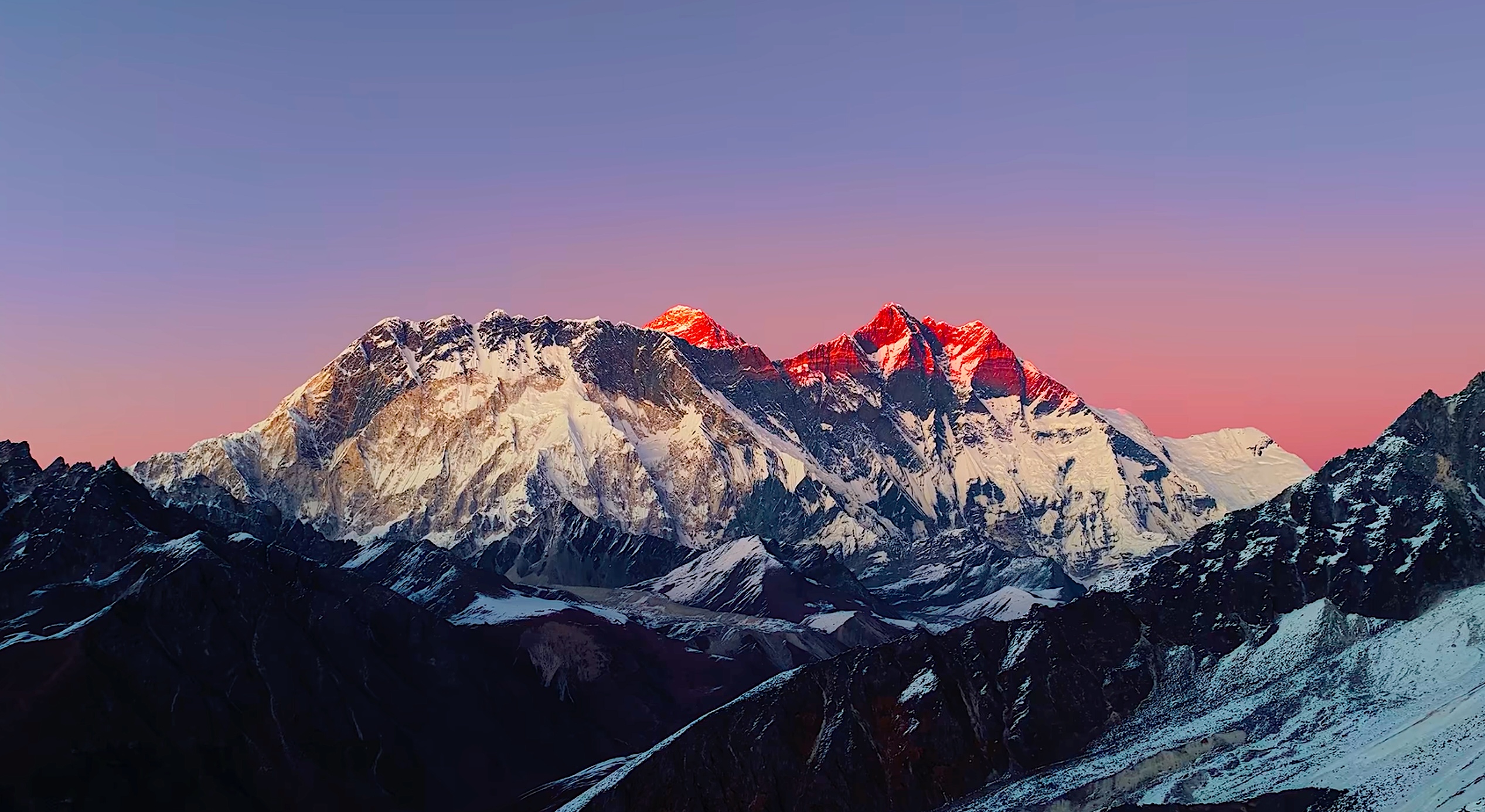

Everest Expedition – South Col, Nepal
An Everest expedition is a major mountaineering undertaking: a demanding journey shaped by preparation, teamwork and the realities of the high Himalaya. Following the classic South Col route from Nepal, the expedition travels through the Khumbu Valley to Everest Base Camp before beginning a carefully planned ascent. Reaching the summit of Mount Everest (8,848.86 m / 29,031.7 ft) is an extraordinary ambition, while every stage—from acclimatization to the descent—calls for patience and sound decisions.
The South Col Route
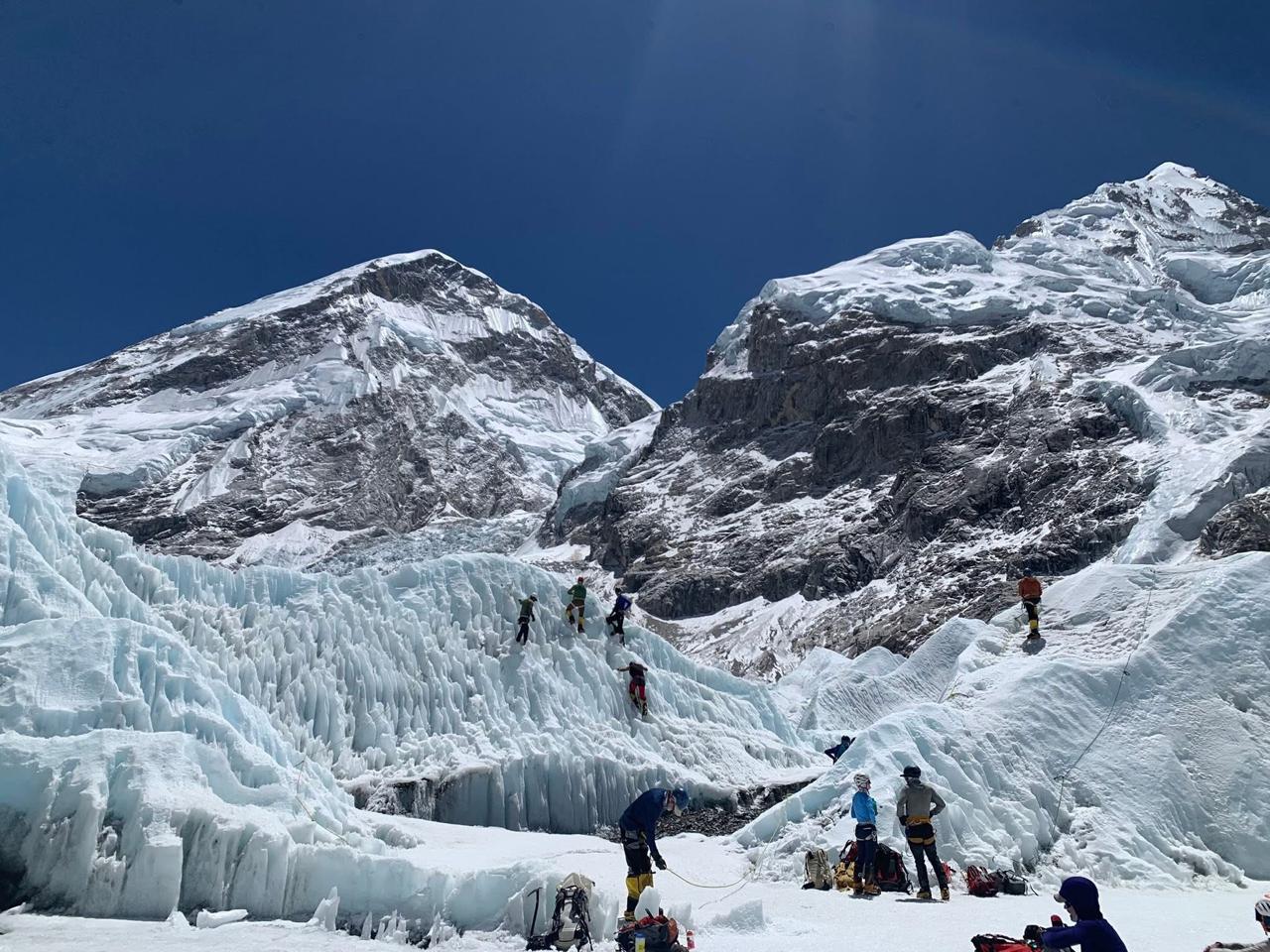
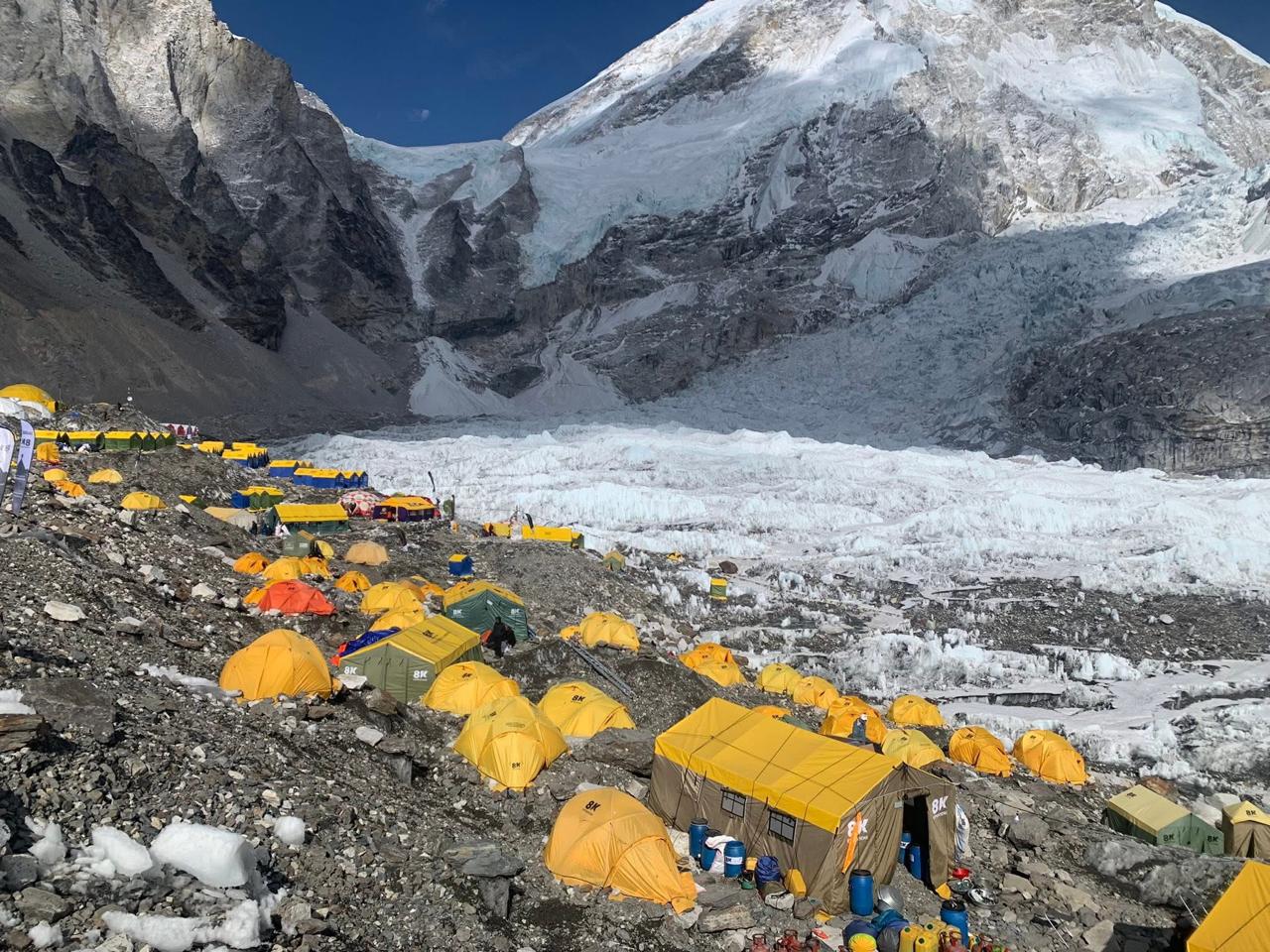
The journey begins with a trek through Sherpa communities and the landscapes of Sagarmatha National Park, approaching Base Camp beneath the Khumbu Icefall. From there, climbers move through a series of high camps: Camp 1, Camp 2, Camp 3 and Camp 4 on the South Col. The ascent follows the Khumbu Icefall, Western Cwm, Lhotse Face and Southeast Ridge—the route used by Tenzing Norgay and Edmund Hillary on their historic 1953 summit.
Acclimatization and Summit Preparation
Climbers spend time at Base Camp and make rotations to higher camps to help their bodies adapt to altitude and become familiar with the route and equipment. The schedule allows time for rest, training and preparation. The exact plan depends on the team’s experience, health and conditions on the mountain. The summit attempt begins only when the expedition leader judges the weather and route suitable.
Best Season
Spring, particularly April and May, is the main season for summit attempts from Nepal. Teams monitor the forecast closely and may adjust their plans as mountain conditions change.
A Serious High-Altitude Challenge
Above 8,000 metres, climbers enter the area commonly known as the Death Zone, where the body cannot acclimatize. Extreme cold, wind, altitude illness, avalanches, falling ice and delays on the route are among the hazards. Careful planning can help manage some risks, but cannot remove them. Climbers must be ready to follow their guides’ advice, change plans or turn back when conditions call for it.
Preparing for Everest
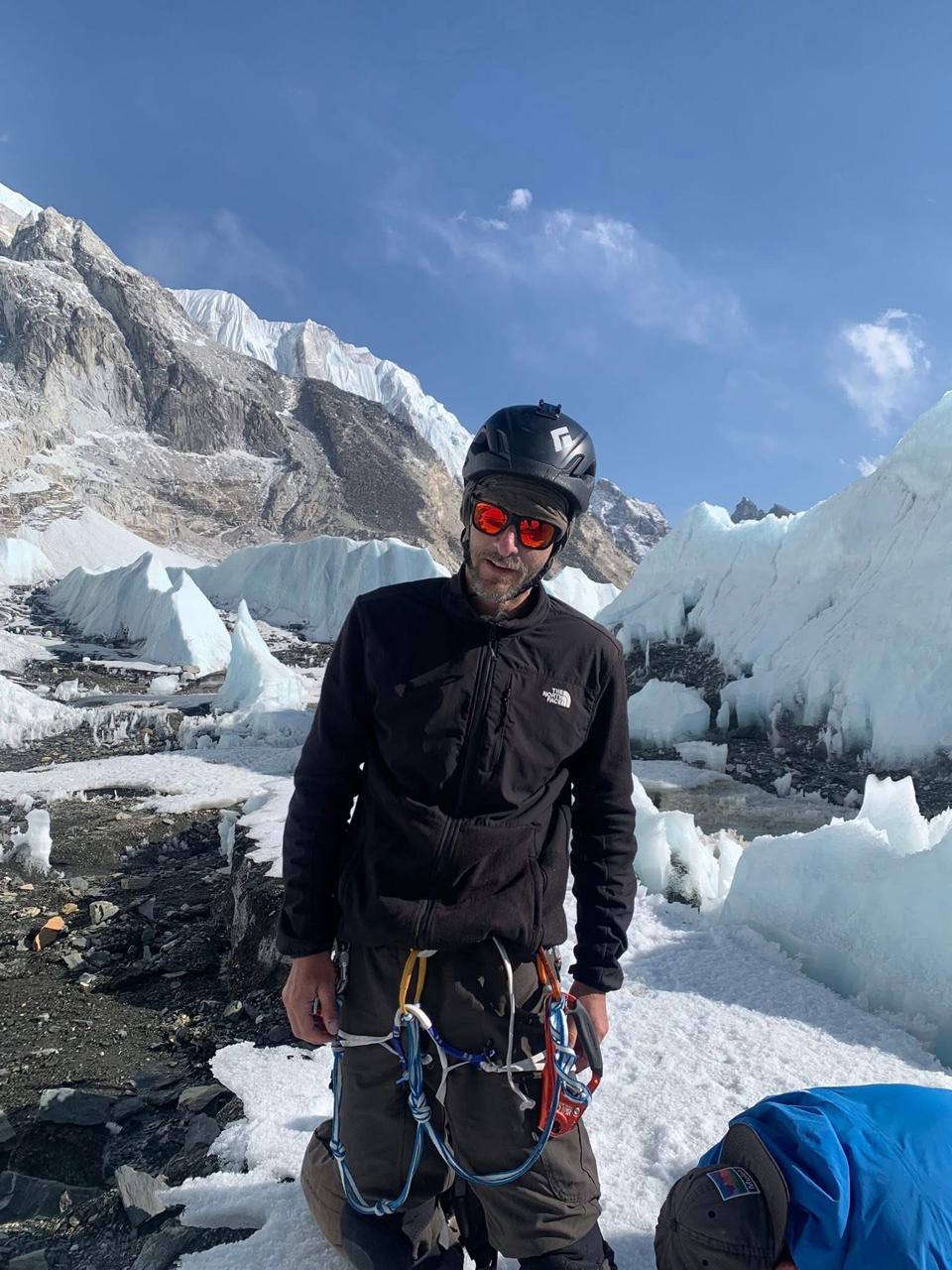
An Everest expedition demands extensive physical conditioning, previous high-altitude mountaineering experience and familiarity with technical equipment. Preparation commonly includes uphill training with a pack, cardiovascular and strength conditioning, and practice using crampons, ascenders and fixed ropes. Training should be tailored to each climber’s health and experience.
Summit elevation: 8,848.86 m / 29,031.7 ft