


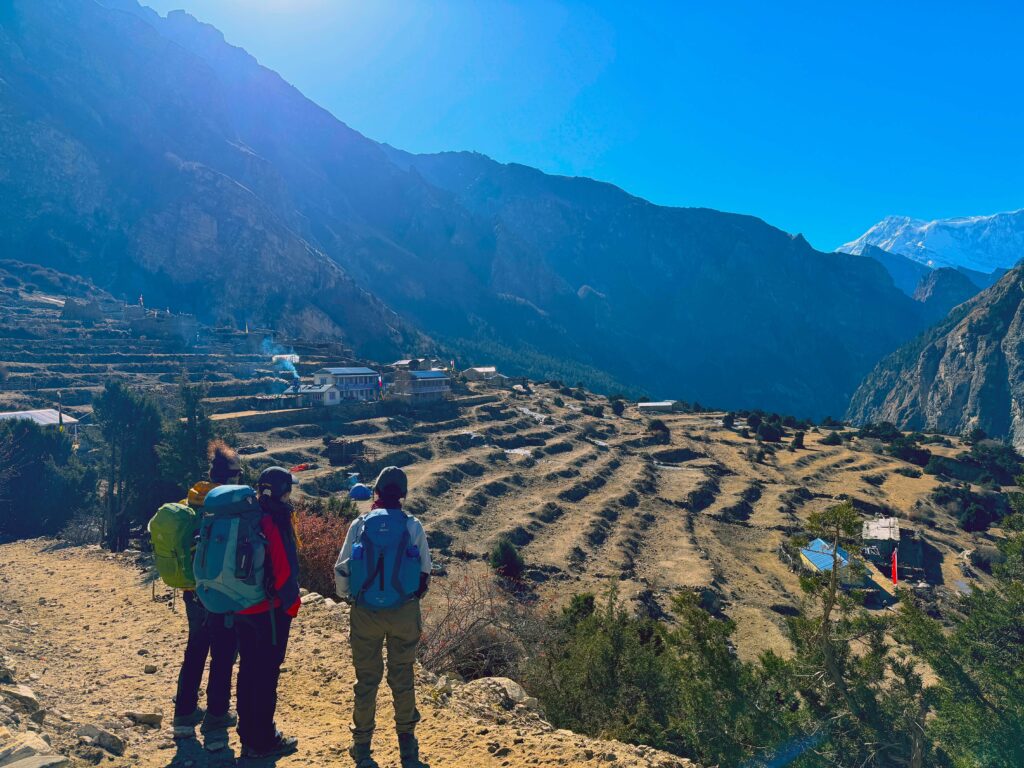

Chulu East Peak Climbing: The Ultimate Himalayan Mountaineering Expedition
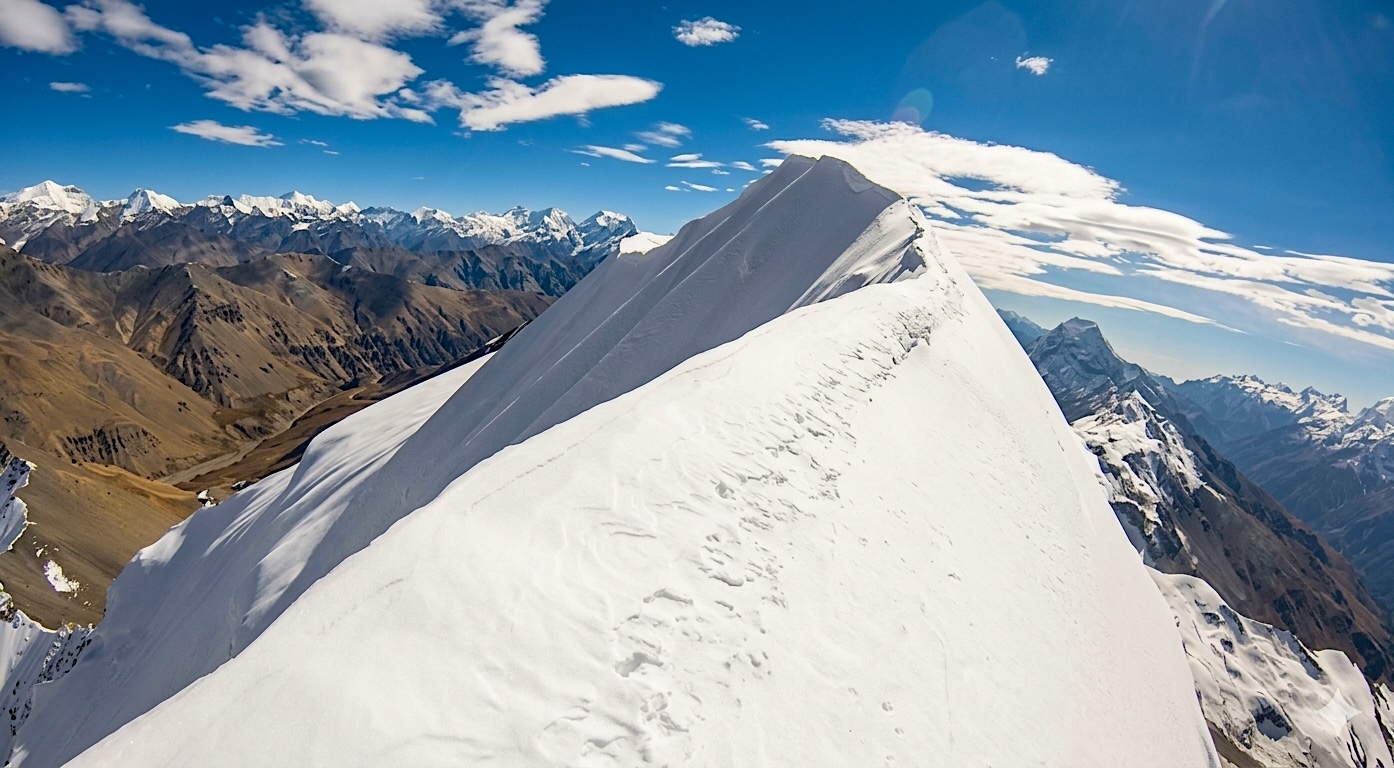
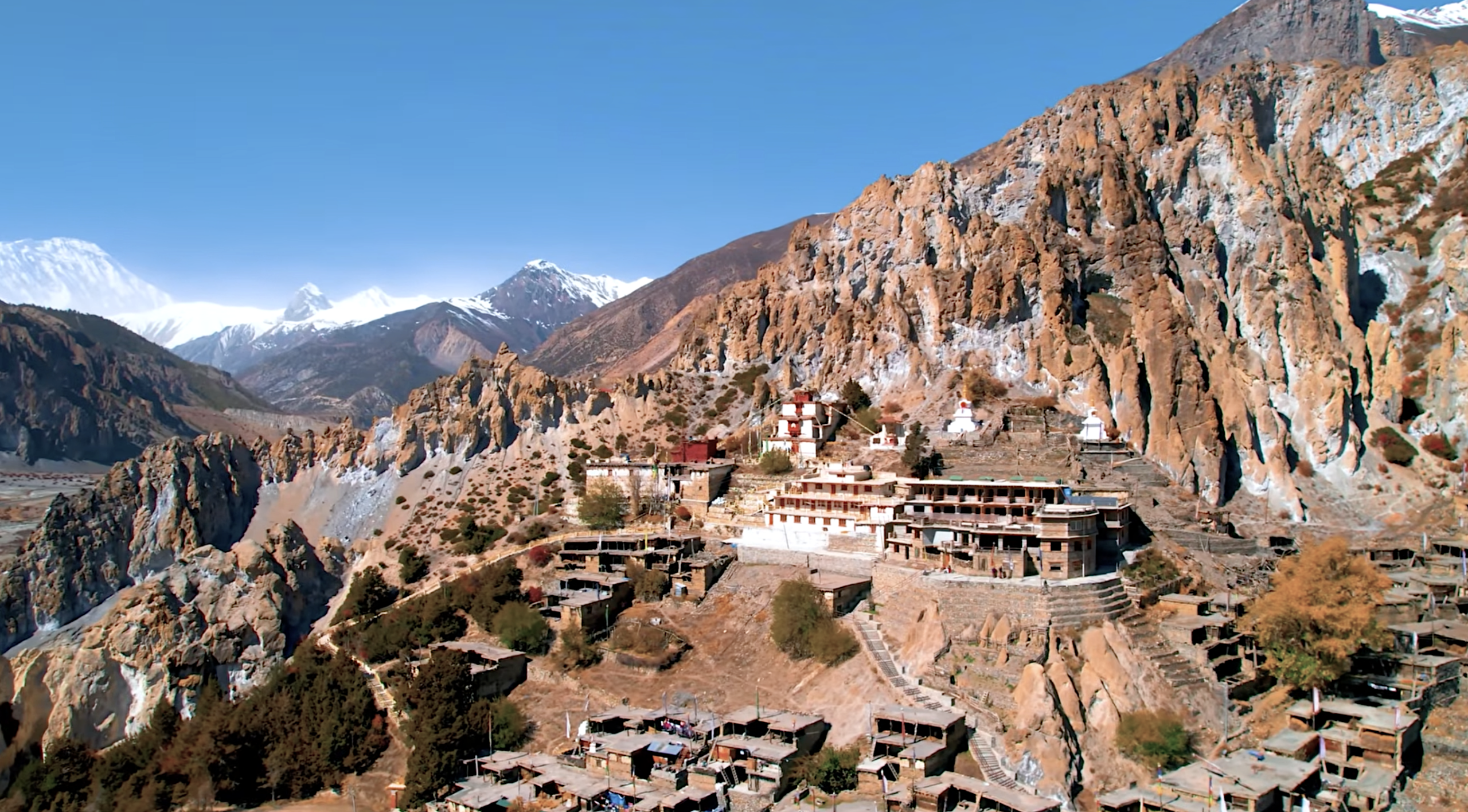
Chulu East Peak Climbing stands as the crown jewel of the Damodar Himal range, offering a premier high-altitude mountaineering experience within the magnificent Annapurna Massif. Rising to an impressive 6,584 meters (21,601 feet), Chulu East is widely celebrated as one of the most stunning and rewarding 6,000-meter peaks in Nepal. Positioned high above the dramatic landscapes of the upper Manang Valley, this expedition seamlessly blends a world-class alpine ascent with the legendary Annapurna Circuit Trek. Trekkers are invited into a vibrant cultural mosaic, journeying through ancient villages inhabited by the Gurung, Sherpa, Thakali, Manangi, and Tibetan communities—an extraordinary immersion into traditions preserved for generations.
Difficulty Level & Mountaineering Demands:
First conquered in 1955 by a pioneering German expedition team, climbing Chulu East Peak is a thrilling blend of technical accessibility and intense physical challenge. It is characterized as a technically straightforward yet highly demanding climb.
To safely reach the summit, climbers must possess excellent cardiovascular endurance, robust mental resilience, and peak physical conditioning. The final push to the summit is inherently technical, requiring mountaineers to navigate a 900-meter steep slope utilizing fixed ropes, crampons, and ice axes.
Your grit on this headwall is rewarded at the summit with a spectacular, unobstructed 360-degree panorama. The peak offers breathtaking, front-row views of:
- The Annapurna Massif (I, II, III, and IV)
- Dhaulagiri and Nilgiri
- Lamjung Himal
- Tilicho Peak
Why Choose the Chulu East Peak Expedition?
Choosing the Chulu East Peak Expedition delivers a premier Himalayan adventure by seamlessly combining an elite 6,584-meter alpine ascent with the iconic Annapurna Circuit. This integration allows you to tackle a thrilling, technical 900-meter summit headwall while immersing yourself in the ancient Tibetan-style traditions of the Gurung, Sherpa, and Thakali communities in the Manang Valley.
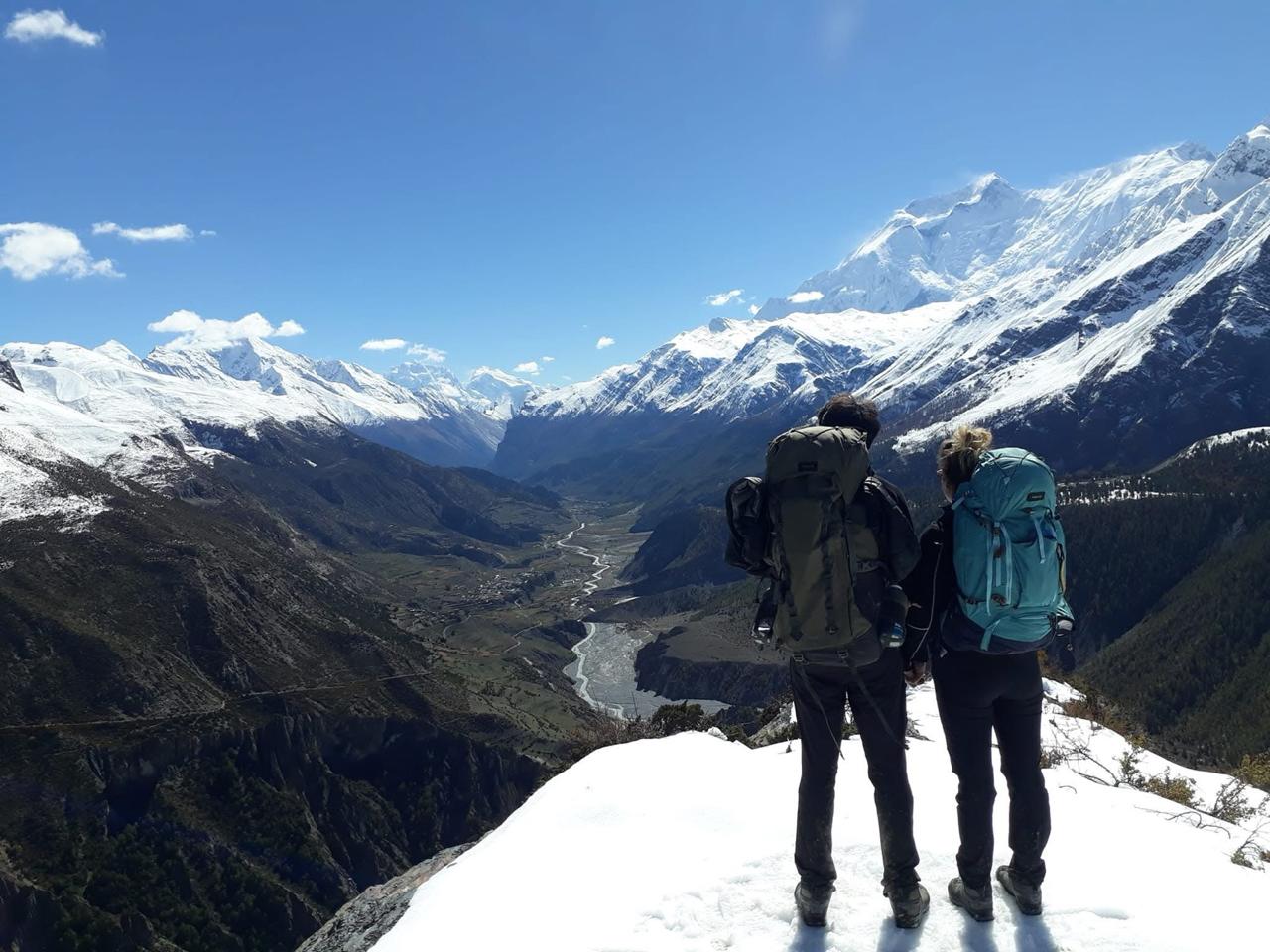
The expedition offers incredible geographical advantages, as it sits within the mountain rain shadow. This unique climate provides stable climbing conditions, less crowded trails, and jaw-dropping, continuous views of the Annapurna and Dhaulagiri massifs. Packed with bucket-list achievements, the journey also includes crossing the legendary Thorong La Pass (5,416m), visiting the sacred Muktinath Temple, and exploring the scenic valley of Jomsom, making it a truly comprehensive mountaineering masterpiece.
Best Seasons to Climb:
Timing is crucial for a successful summit. The peak is best approached during three distinct seasons, each offering unique advantages for climbers:
Spring (March to May) / Autumn (September to November)