MANASLU EXPEDITION

Everest Region Expedition
Manaslu vers Sama

Trip Facts

Duration

33 Days

Difficulty

Challenging, Difficult

Max Altitude

8,163 m

Best Season

Spring ( March - May ) Autumn ( Aug - Sept )

Group Size

Up to 2 People

Transportation

Domestic Airplane

Accommodation

Hotels, lodges and teahouses

Meal Plan

Breakfast , lunch , Dinner , Tea & coffeet

About This Journey

Trip Overview

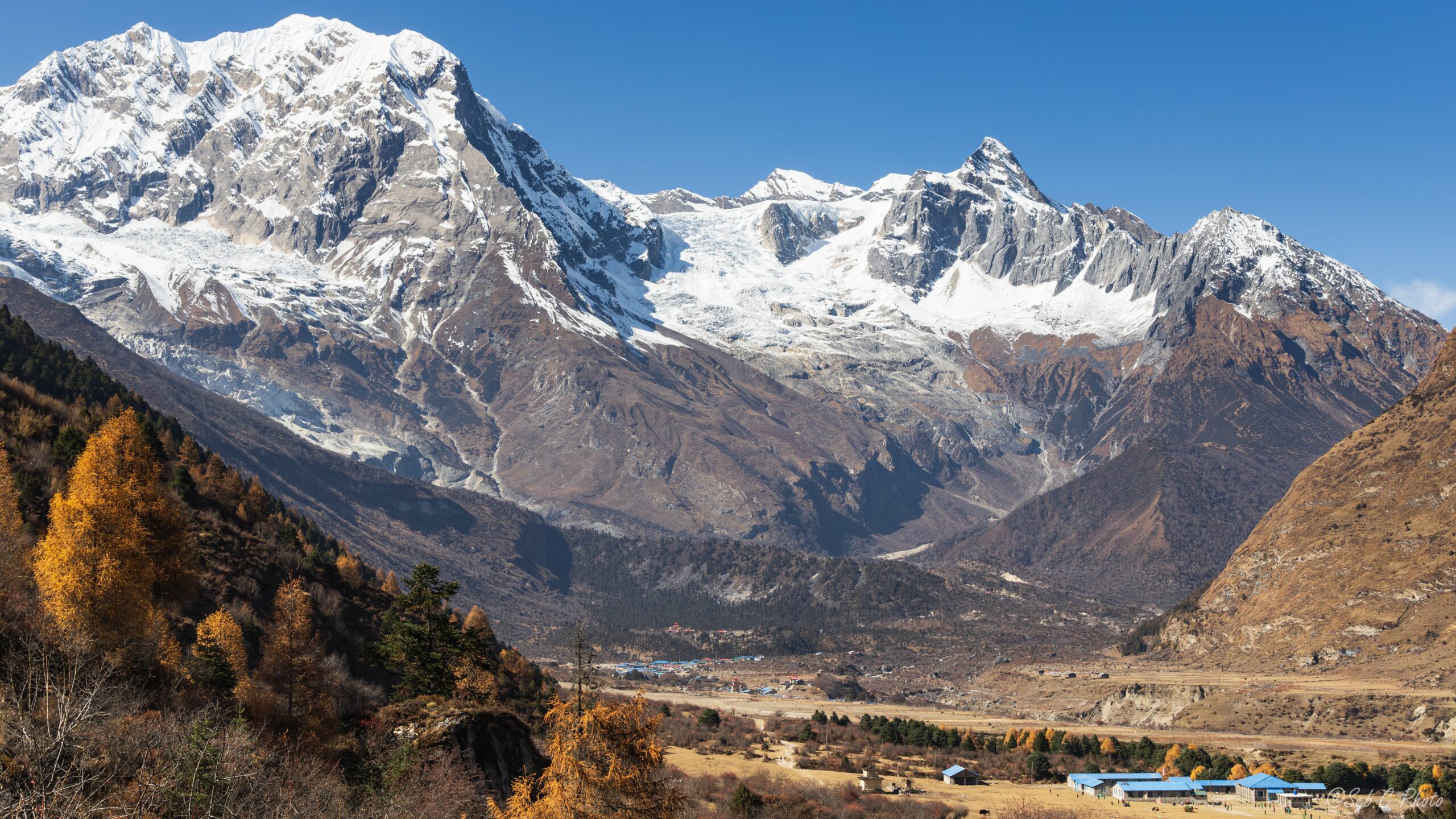
Rising to 8,163 m / 26,781 ft, Manaslu is the world’s eighth-highest mountain and one of Nepal’s great mountaineering challenges. The expedition combines a remote approach through the Budhi Gandaki Valley with a demanding climb on the mountain’s high glaciers and snow slopes.

The journey begins with a trek through mountain villages and dramatic landscapes to Manaslu Base Camp. Here, the team prepares for the climb, reviews equipment and begins acclimatization. Climbers make rotations to higher camps before the summit attempt, giving their bodies time to adjust to the altitude and helping them become familiar with the route.

The ascent follows the mountain’s northeast side, using a series of high camps above Base Camp. Fixed ropes, glacier travel and steep snow sections are part of the climb. Weather, snow conditions and each climber’s health shape the schedule, so patience and flexibility are essential.

Manaslu is a serious high-altitude expedition that requires strong physical conditioning, previous mountaineering experience and confidence using technical equipment. Experienced guides and support staff help organize the journey, but the mountain remains demanding and conditions can change quickly. The team’s priority is to make careful decisions throughout the climb and descent.

Summit elevation: 8,163 m / 26,781 ft

Why This Trek Is Special

MANASLU SUMMIT EXPEDITION

- Climb Mount Manaslu (8,163 m / 26,781 ft), the world’s eighth-highest mountain.

- Trek through the remote Budhi Gandaki Valley to reach the expedition region.

- Pass traditional mountain villages and experience local culture along the approach.

- Spend time acclimatizing in Samagaun (approx. 3,530 m / 11,581 ft).

- Trek to Manaslu Base Camp (approx. 4,800 m / 15,748 ft).

- Settle into Base Camp, your home throughout the climbing period.

- Receive expedition briefings and prepare your climbing equipment.

- Make acclimatization rotations from Base Camp to higher camps.

- Climb the mountain’s northeast route with your expedition team.

- Establish a summit window based on weather, route conditions and team health.

- Attempt the summit with a planned descent back to Base Camp.

- Return through the Budhi Gandaki Valley by private jeep to Kathmandu.

Day-by-Day Journey

Trek Itinerary

Package Information

Included and excluded

What's Included

• Airport transfers for international and domestic arrivals and departures.

• Four nights in a single-occupancy room at a four-star hotel in Kathmandu, with breakfast.

• Welcome and farewell dinners at a traditional Nepali restaurant in Kathmandu.

• All Land transportation as per the itinerary.

• All land transport - Expedition arrangements for the expedition crew.

• Manaslu climbing permit.

• Base Camp fee and summit-route fixing charge.

• Garbage management and disposal fees.

• One Nepal Government-appointed Mountaineering Liaison Officer.

• High-altitude medical and helicopter rescue insurance for field staff.

• Personal baggage allowance of up to 60 kg per member.

• Porter services to and from Manaslu Base Camp.

• Experienced Base Camp Manager, cook and kitchen assistants.

• Freshly prepared breakfast, lunch and dinner at Base Camp, with a selection of Continental, Nepali, Chinese and Indian dishes, plus tea, coffee and other hot drinks.

• Regular supplies of fresh vegetables, meat, fruit, juice and soft drinks at Base Camp, transported by helicopter when required.

• Espresso and machine-brewed coffee at Base Camp.

• Individual box tent at Base Camp, with thick mattress and pillow.

• Shared Base Camp facilities, including dining, kitchen, communications, toilet and shower tents, tables, chairs and heaters.

• Emergency medical services at the HRA medical camp, available for an additional fee.

• Generator and solar power at Base Camp for charging electronic devices.

• Camp 2,3,4 services: dining tent, tables and chairs, shared sleeping tent for two members, kitchen and toilet tents, cook and kitchen assistants.

• High Camp services: shared sleeping tent for two members, shovel, extra ropes, EPI gas, MSR Reactor stove and cookware set.

• High-altitude meals and snacks, including muesli, porridge, oats, noodles, plain rice, soups, green tea, milk, coffee, dried fruit and chocolate.

• Internet access at Base Camp for an additional fee.

• Satellite phone available for emergency use.

• Walkie-talkies for communication throughout the expedition.

• Weather forecasts throughout the expedition.

• One experienced climbing guide per member.

• Supplemental oxygen: six bottles per member and three bottles per climbing guide.

• Summit mask and regulator set for each member and climbing guide.

• Helicopter rescue arrangements and a dedicated rescue team on standby for emergencies.

• Backup oxygen bottles and mask-regulator sets, charged according to use.

• First-aid medical kit.

• Panorama Trekkig duffle bag and outdoor cap.

• Applicable Nepal Government taxes and company service charges.

• Manaslu summit certificate for members who successfully reach the summit and provide the required photographs and video footage for verification.

What's Excluded

• International airfare.

• Nepal entry visa fee. Apply for a 90-day visa.

• Bank or wire transfer fees, where applicable.

• Lunch and dinner in Kathmandu.

• Personal travel and high-altitude insurance covering accidents, medical care and emergency evacuation by helicopter. Coverage must be at least US$100,000.

• Personal trekking and climbing equipment.

• Personal expenses during the trek to and from Base Camp, including phone calls, internet, device charging, laundry, alcoholic and bottled or canned drinks, and specialty coffee.

• Drone and special filming permits.

• Summit bonus: US$2,000 for each climbing guide and US$450 for the cook and kitchen assistants, payable in cash. The guide’s summit bonus becomes due once the summit push begins, even if the climb is later stopped because of a client’s condition or another reason.

• Any services or expenses not specifically listed under Services Included.

Dates

Departure

No departure dates scheduled at this time. Please contact us for custom dates.

Trail Route

Route map and elevation

A clear look at the MANASLU EXPEDITION route, including the main villages, high passes, and altitude changes across the trek.

Route Map

MANASLU EXPEDITION

Challenging - Difficult 33 Days

Route Type

Challenging - Difficult

Elevation Profile

Elevation Journey

Altitude journey

MANASLU EXPEDITION elevation profile

A route-style altitude chart showing the elevation journey and major milestones along the MANASLU EXPEDITION.

Scroll horizontally to view full elevation profile Swipe →
0m 2,000m 4,000m 6,000m 8,000m 10,000m 1,400m 2,700m 3,500m 3,750m 4,040m 4,470m 4,790m 5,357m 4,700m 5,420m 4,830m 4,940m 5,364m 5,364m 6,065m 6,400m 7,162m 7,900m 8,849m 2,860m 1,400m Day-1 Day-4 Day-6 Day-8 Day-9 Day-10 Day-12 Day-18 Day-32 Day-34 Day-41 ALTITUDE Cho La Pass 5,420m

Questions and Answers

Frequently asked questions

A full expedition typically takes around six to nine weeks, including the trek to Base Camp, acclimatization rotations, the summit window and the return journey. The exact duration depends on the itinerary, weather and conditions on the mountain.

The main summit season is spring, especially April and May, when teams look for a suitable weather window. Conditions vary each year, and summit dates can change.

Everest is an extremely demanding high-altitude climb. It requires strong physical conditioning, technical mountaineering skills, previous experience at high altitude and the ability to make sound decisions under pressure.

Yes. Climbers should have substantial high-altitude experience and be confident using equipment such as crampons, ice axes, ascenders and fixed ropes. A prior climb of a 7,000-metre peak is often recommended. Discuss your experience with the expedition operator before booking.

This expedition follows the South Col route in Nepal, via Everest Base Camp, the Khumbu Icefall, Western Cwm, Lhotse Face and Southeast Ridge.

The itinerary includes rest days and rotations to higher camps before the summit attempt. These help climbers adapt to altitude, but they do not eliminate the risk of altitude illness. The expedition leader may change the schedule based on health and conditions.

The expedition package lists six oxygen bottles per member and three per climbing guide, along with a summit mask and regulator. Additional emergency oxygen and equipment may incur extra charges. Confirm the oxygen plan and any associated fees with Panorama Team before departure.

The summit push generally takes several days from the higher camps, including the ascent from Camp 4 and the descent afterward. Timing depends on the route, weather, climber condition and expedition leader’s decisions.

The team may delay the summit attempt, wait for another weather window or descend. Safety decisions are made according to conditions on the mountain and the team’s wellbeing; reaching the summit cannot be guaranteed.

You need personal travel and high-altitude insurance that covers mountaineering, medical care and emergency helicopter evacuation. The package information specifies minimum coverage of US$100,000. Check that your policy explicitly covers an Everest expedition and the relevant altitude.

You’ll need technical climbing and trekking gear suited to extreme cold and high altitude. The operator should provide a detailed packing list and clarify which shared or personal items are included.

Freshly prepared breakfast, lunch and dinner are listed at Base Camp, with hot drinks and a range of meal options. High-altitude food is also provided at the upper camps. Meals in Kathmandu, except those specified in the package, are not included.

Possible additional costs include a Nepal visa, international flights, insurance, meals in Kathmandu, personal expenses, bank fees, permits for drones or filming, and extra oxygen or services not listed as included. The stated summit bonuses are payable in cash under the package terms.

A summit certificate is issued to climbers who reach the summit and provide the required photo and video evidence for verification.